Once I was a clever boy learning the arts of Oxford... is a quotation from the verses written by Bishop Richard Fleming (c.1385-1431) for his tomb in Lincoln Cathedral. Fleming, the founder of Lincoln College in Oxford, is the subject of my research for a D. Phil., and, like me, a son of the West Riding. I have remarked in the past that I have a deeply meaningful on-going relationship with a dead fifteenth century bishop... it was Fleming who, in effect, enabled me to come to Oxford and to learn its arts, and for that I am immensely grateful.


Showing posts with label Conventual Franciscans. Show all posts

Monday, 19 June 2017

Corpus Christi in Oxford


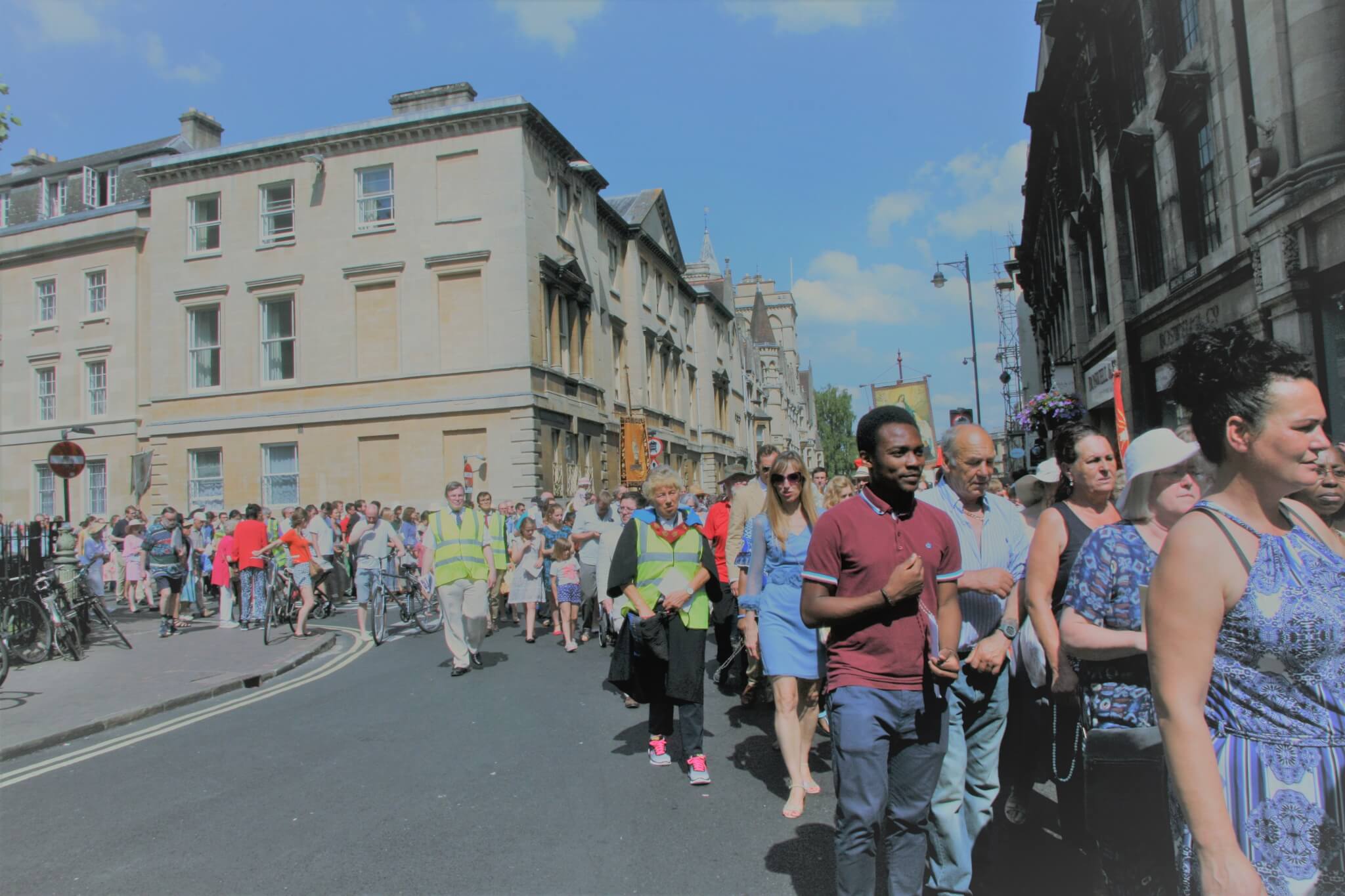
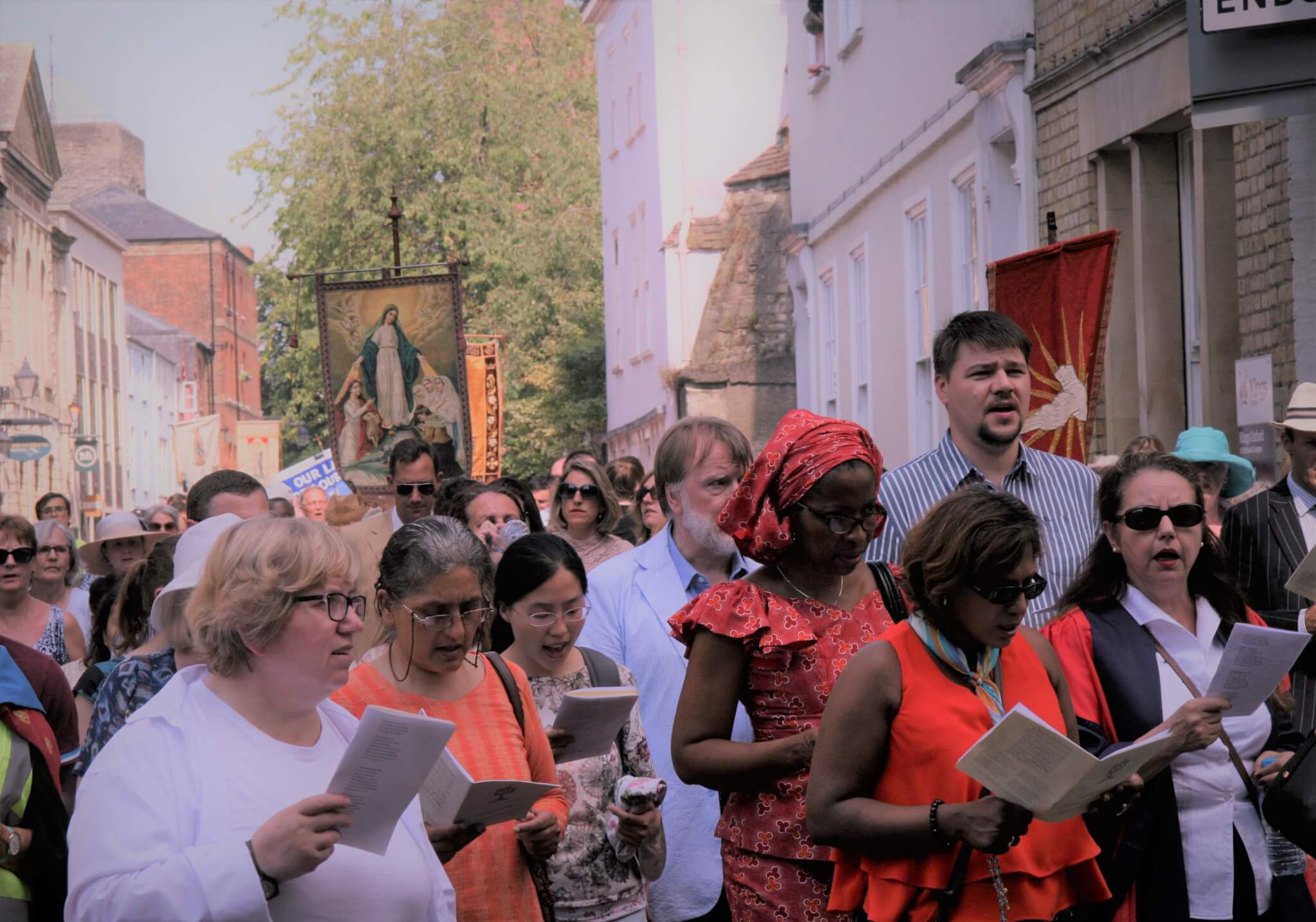
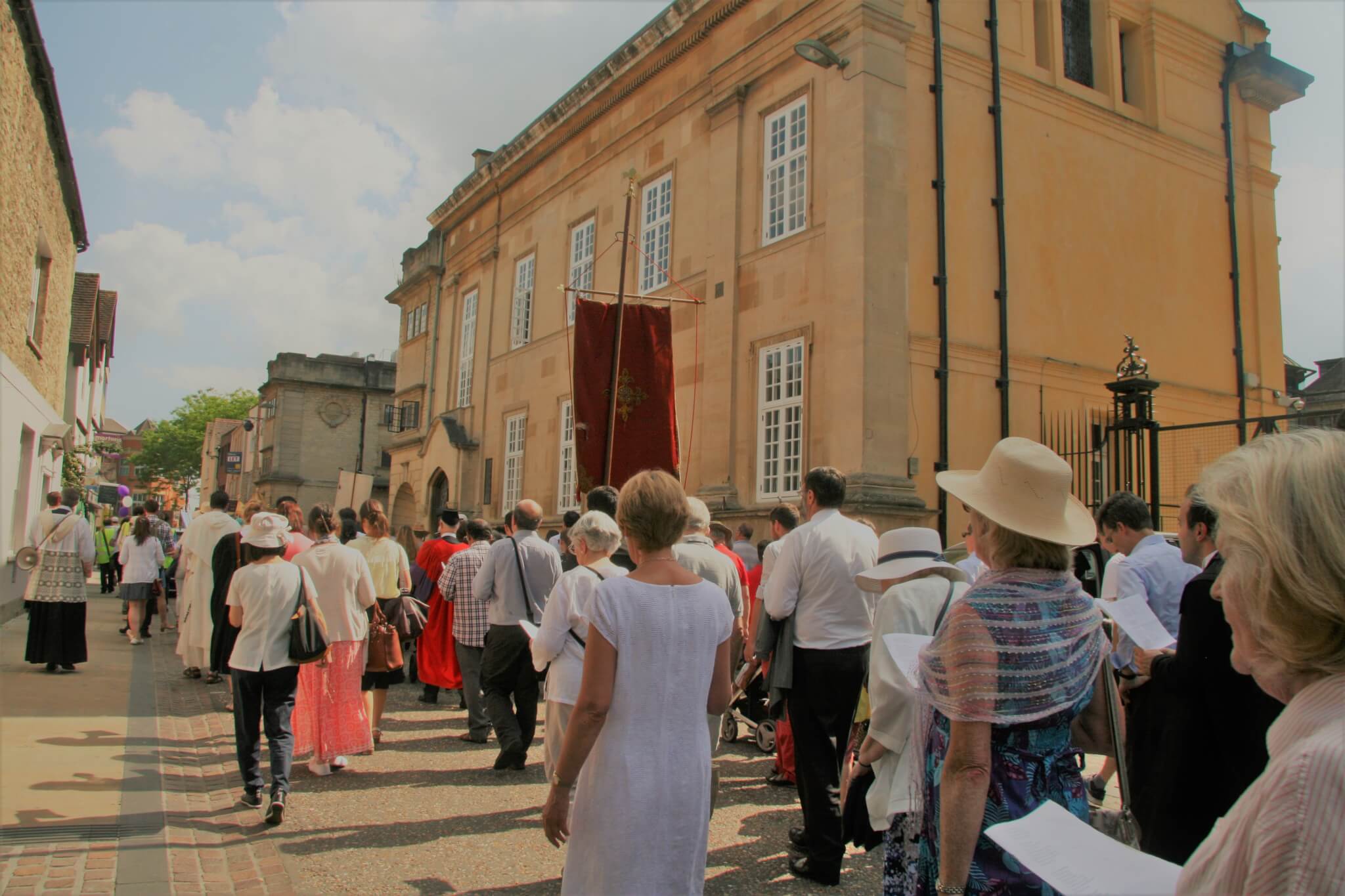
Yesterday was the Corpus Christi Procession here in Oxford and this is the account on the Oxford Oratory website, to which I have added a few extra words of commentary:

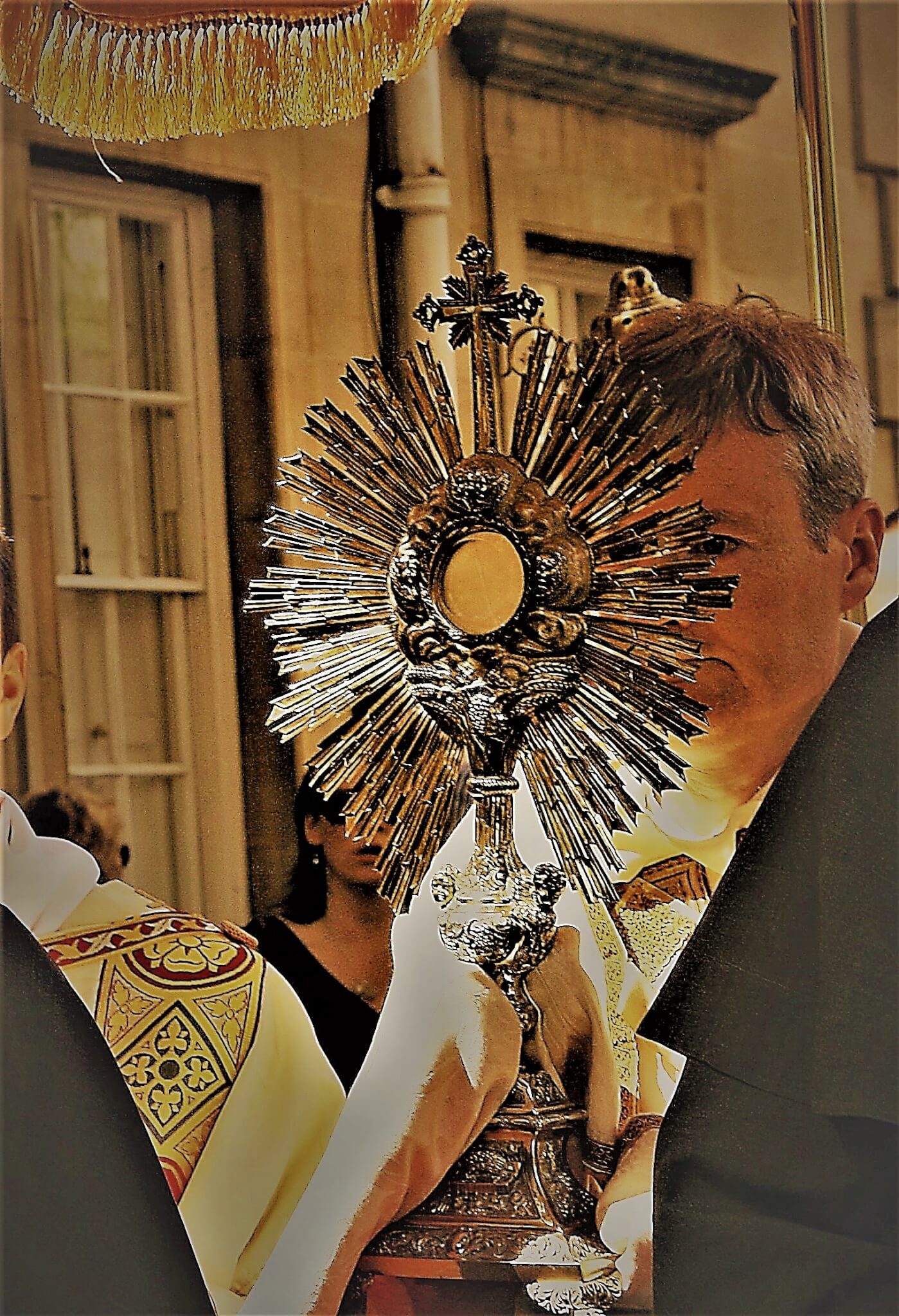
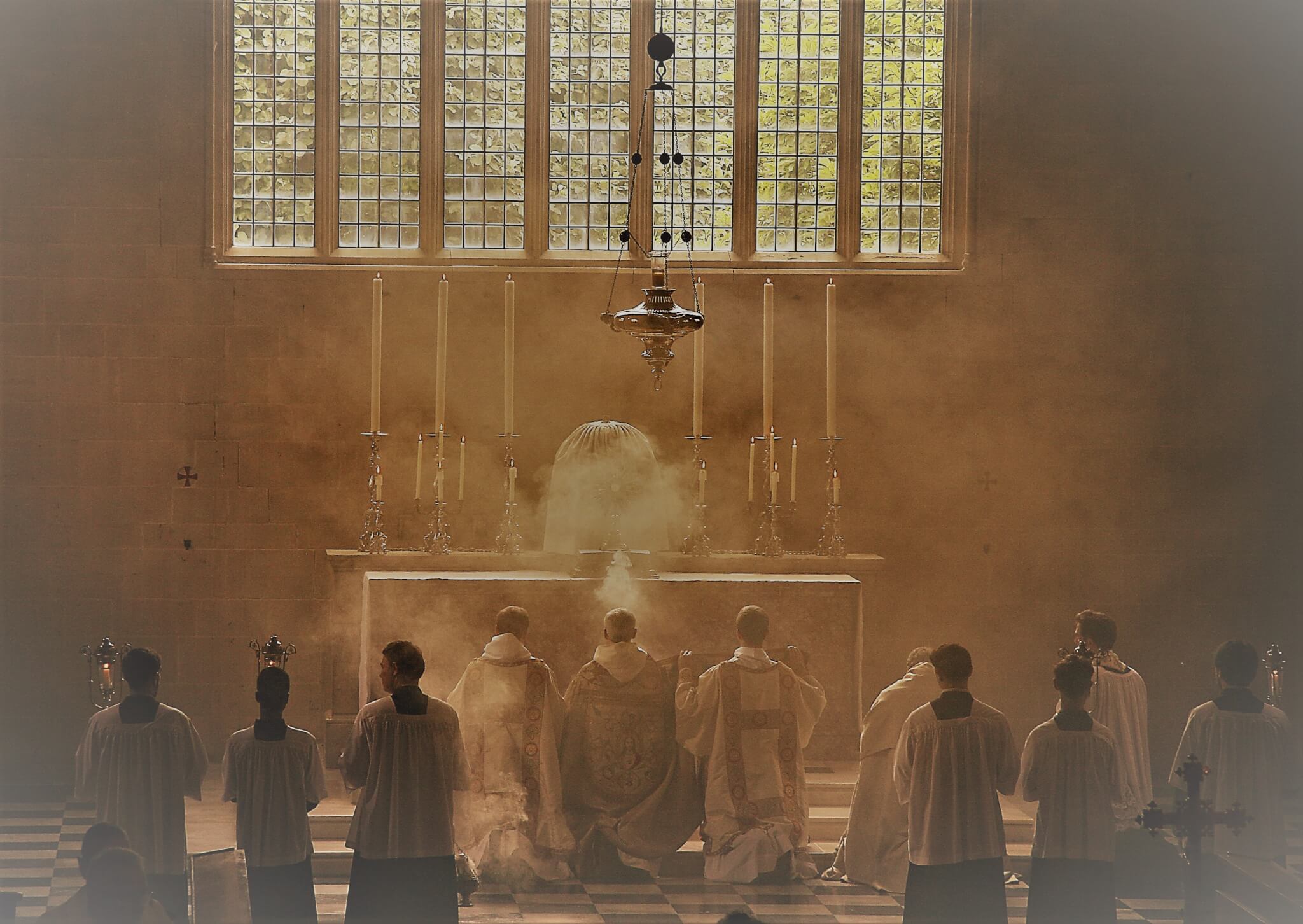
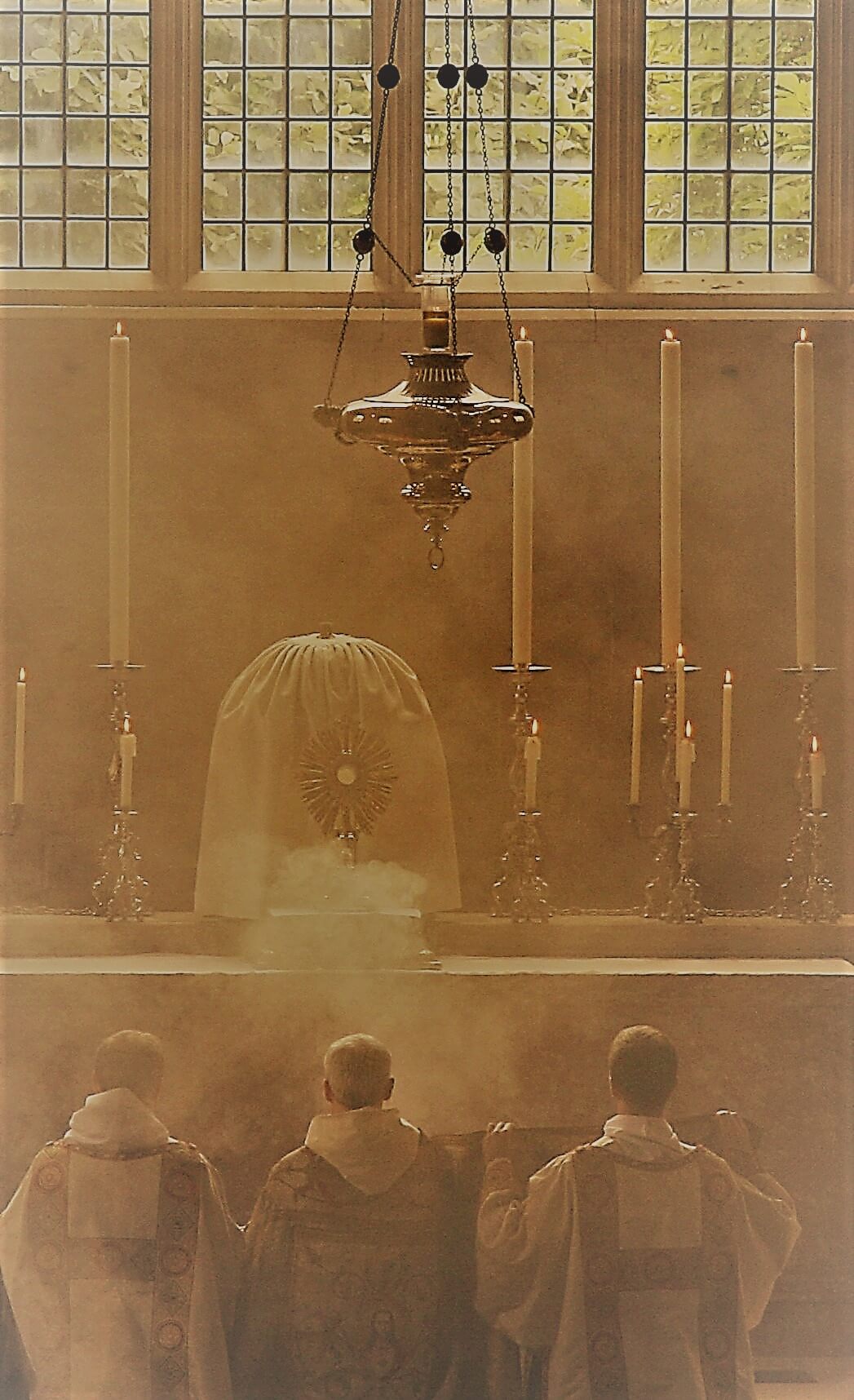
O Sacrament Most Holy!

IMG_1579

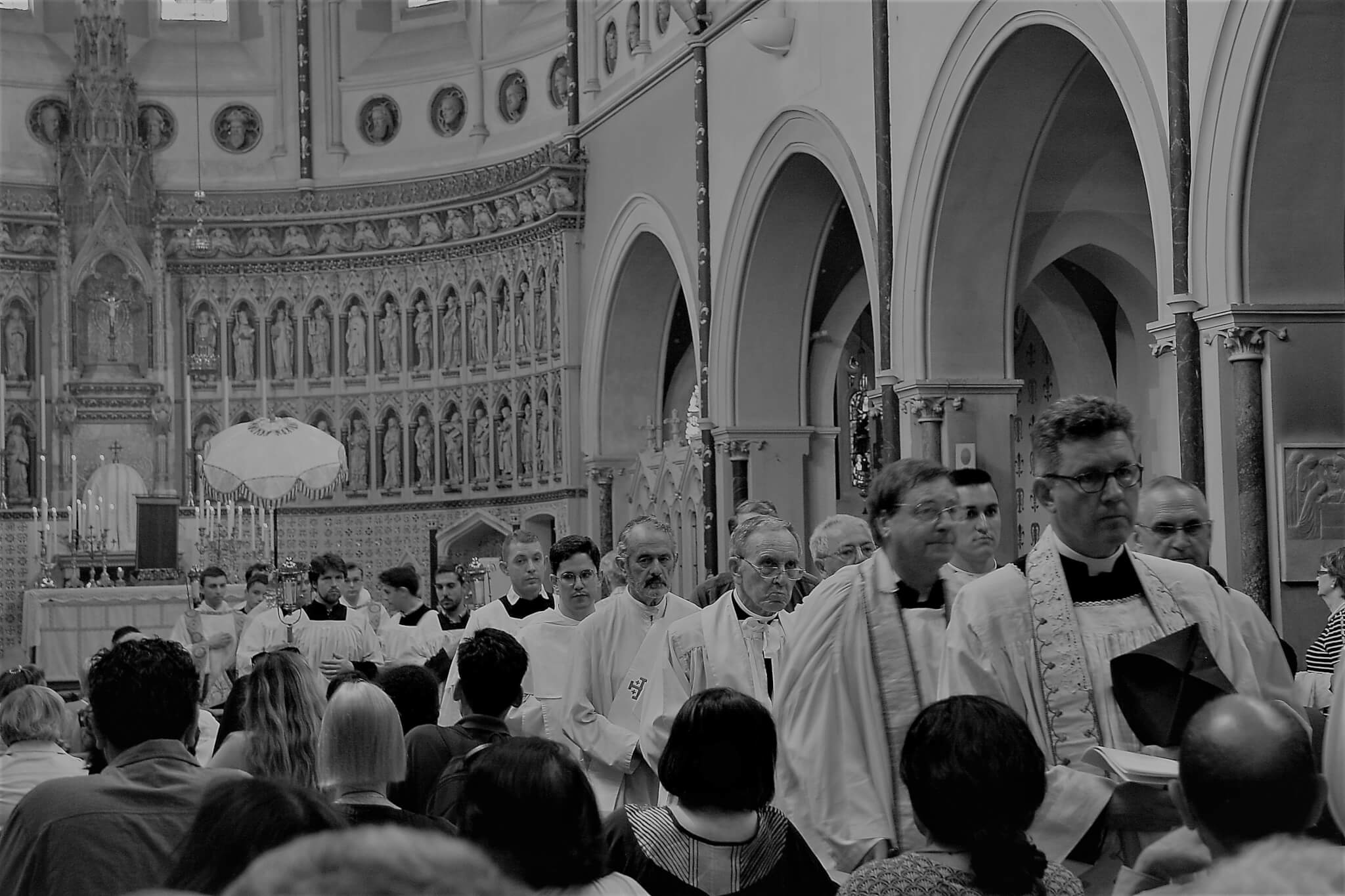
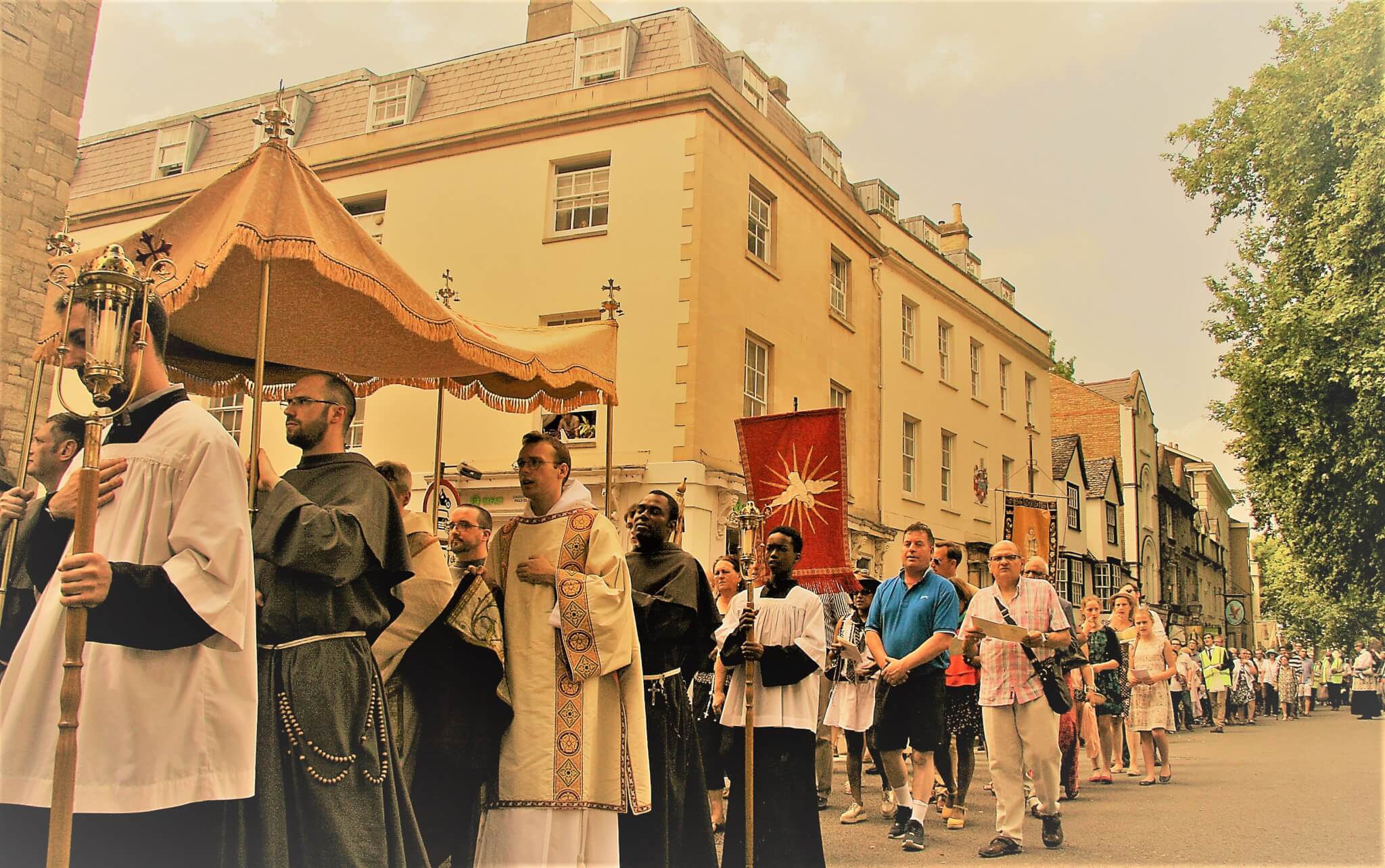
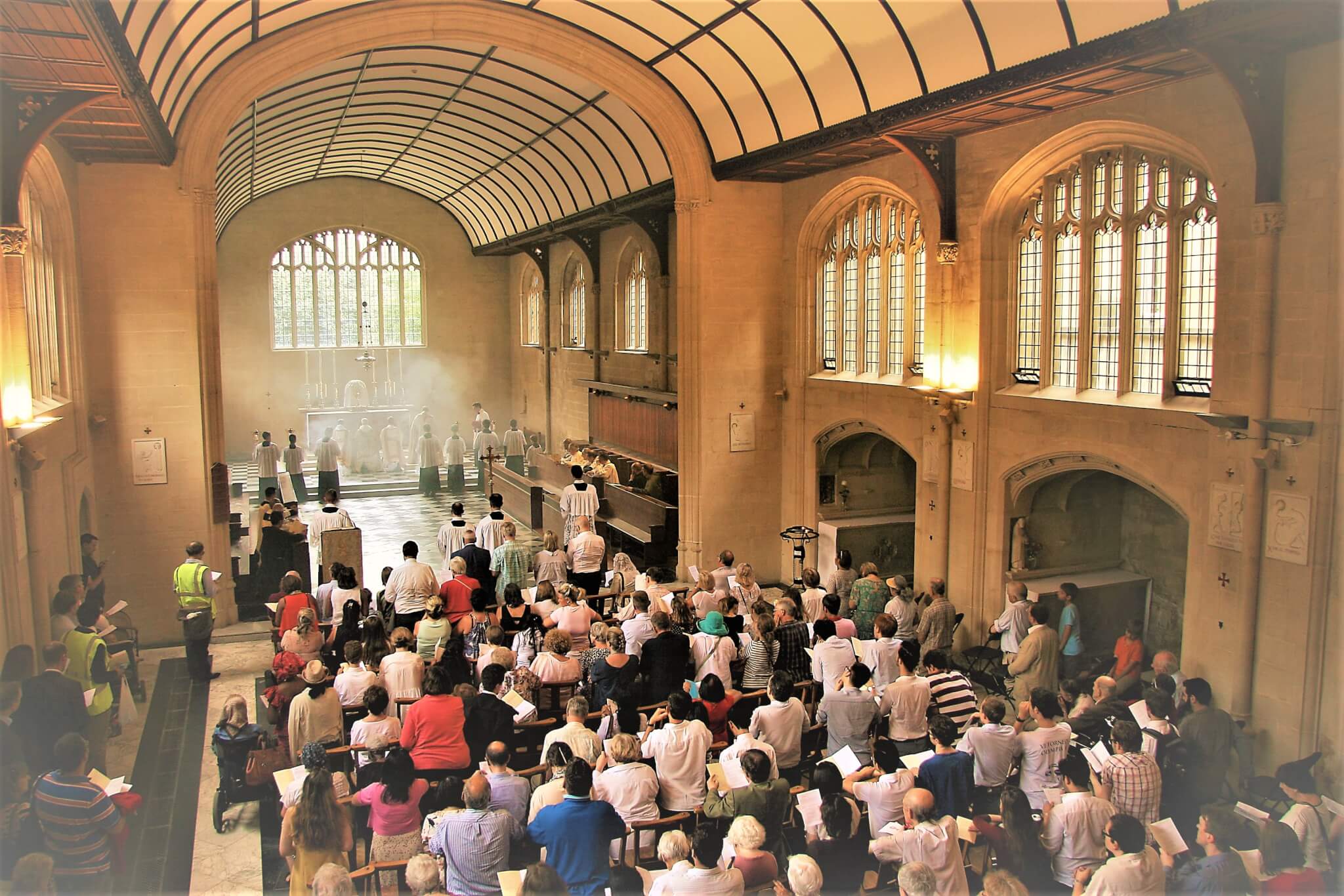
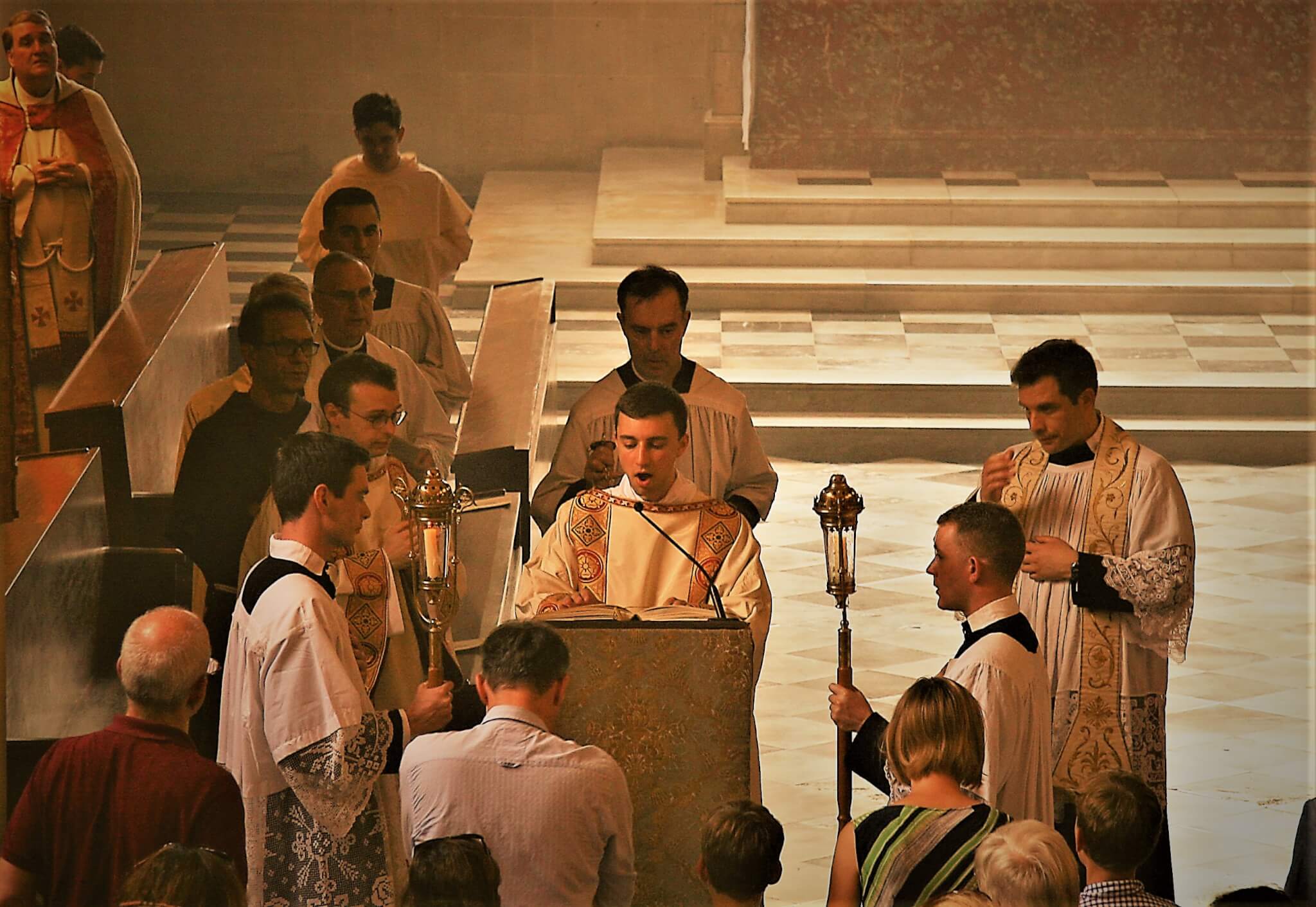
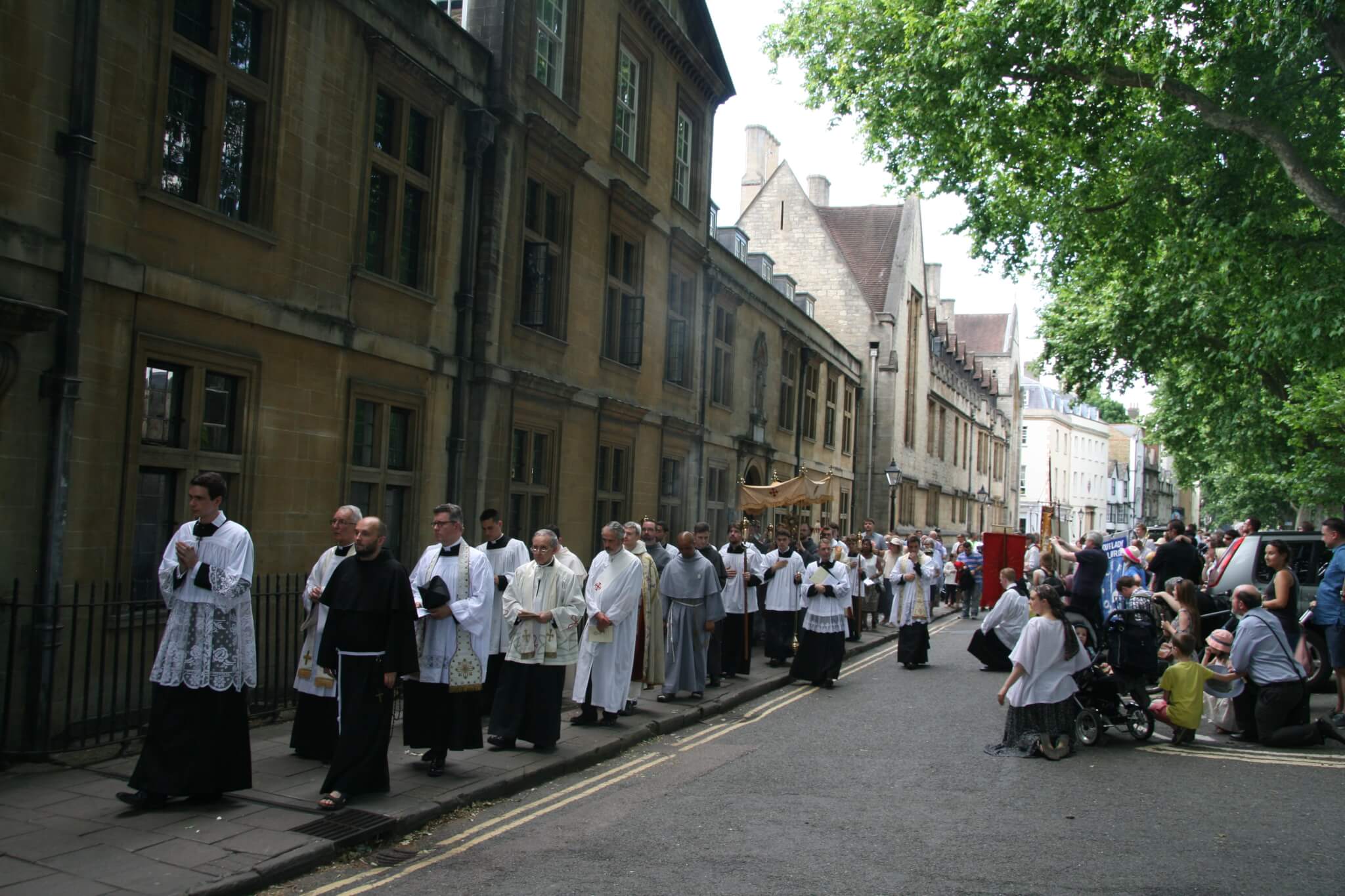
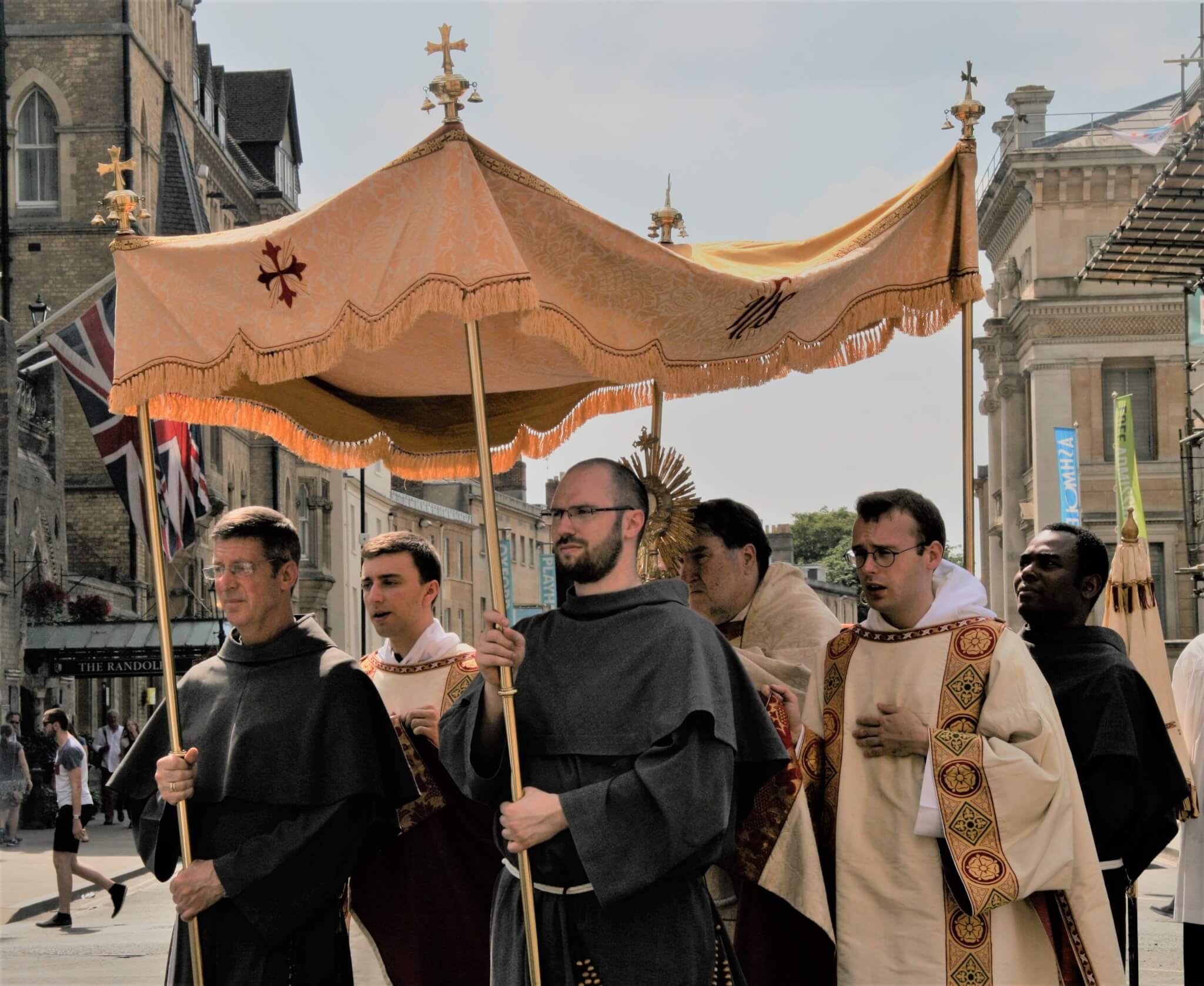
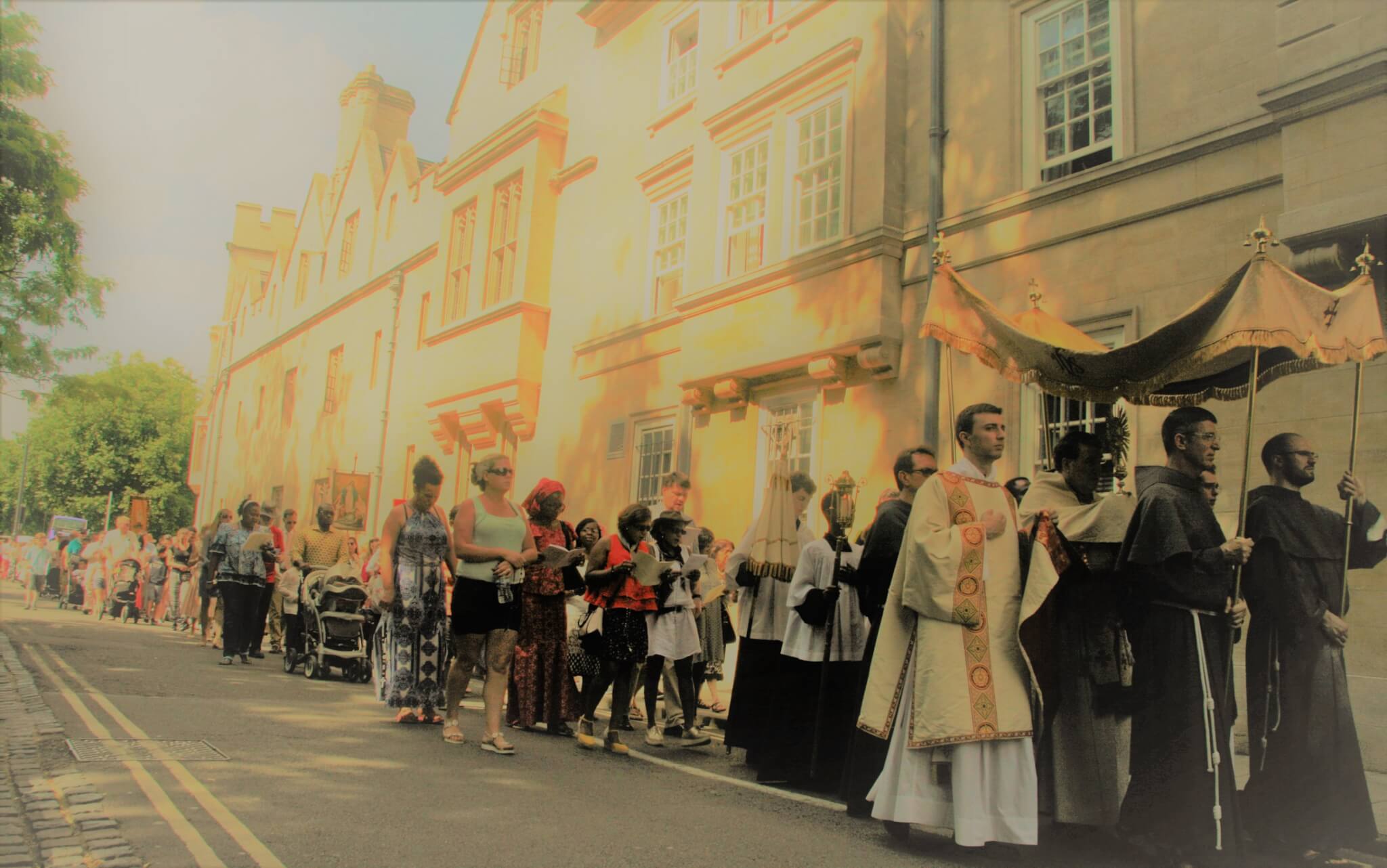
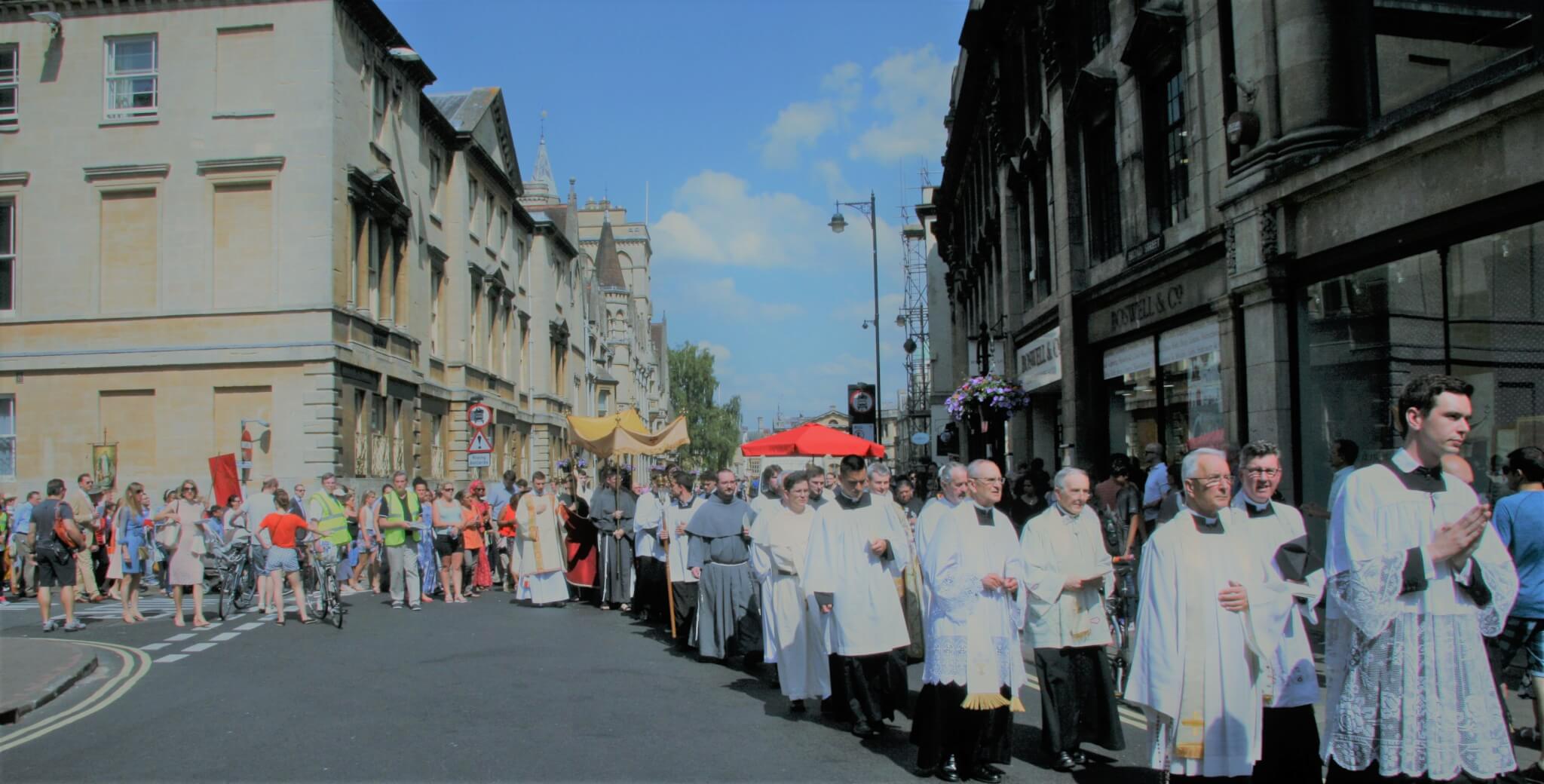
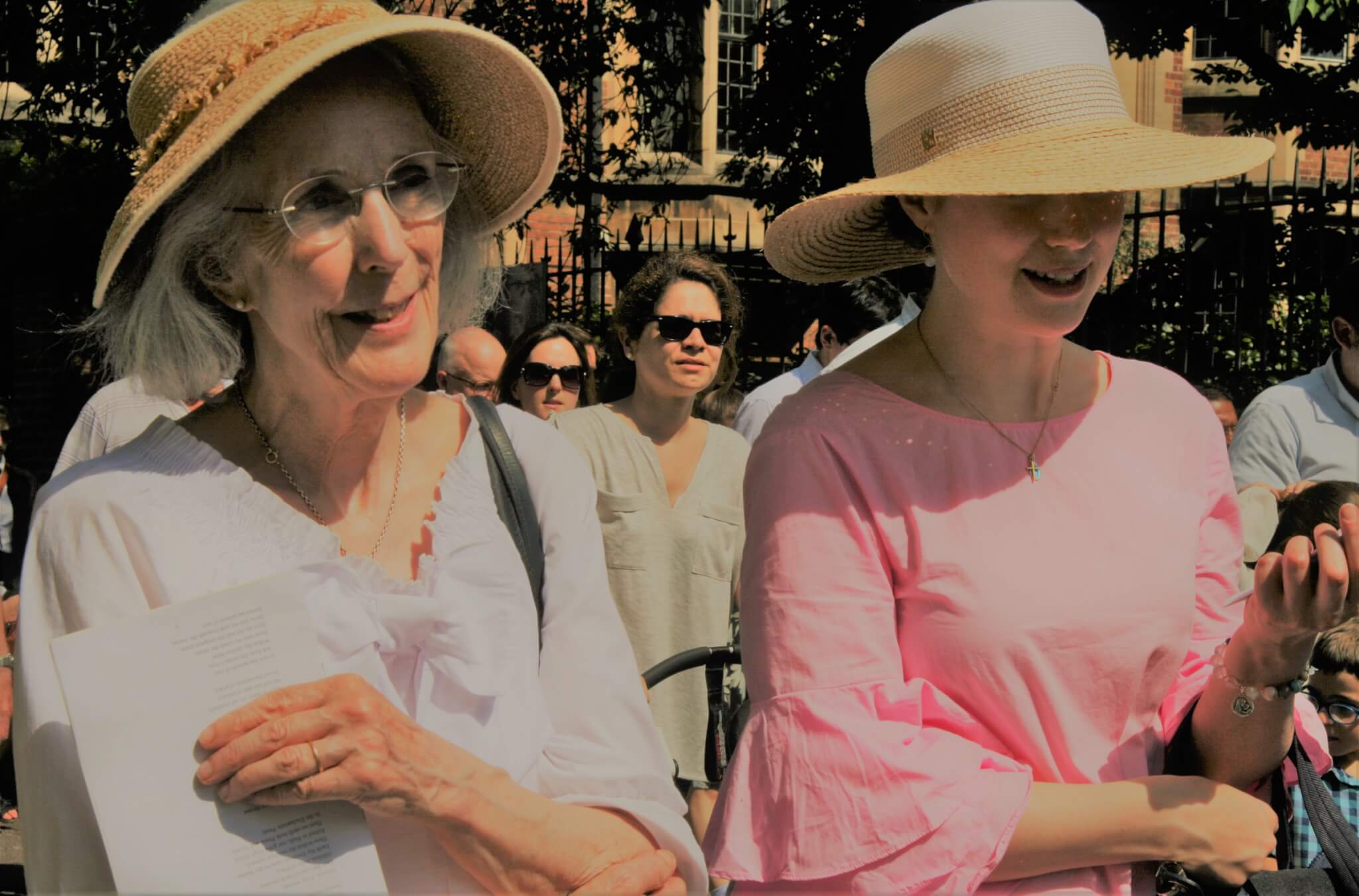
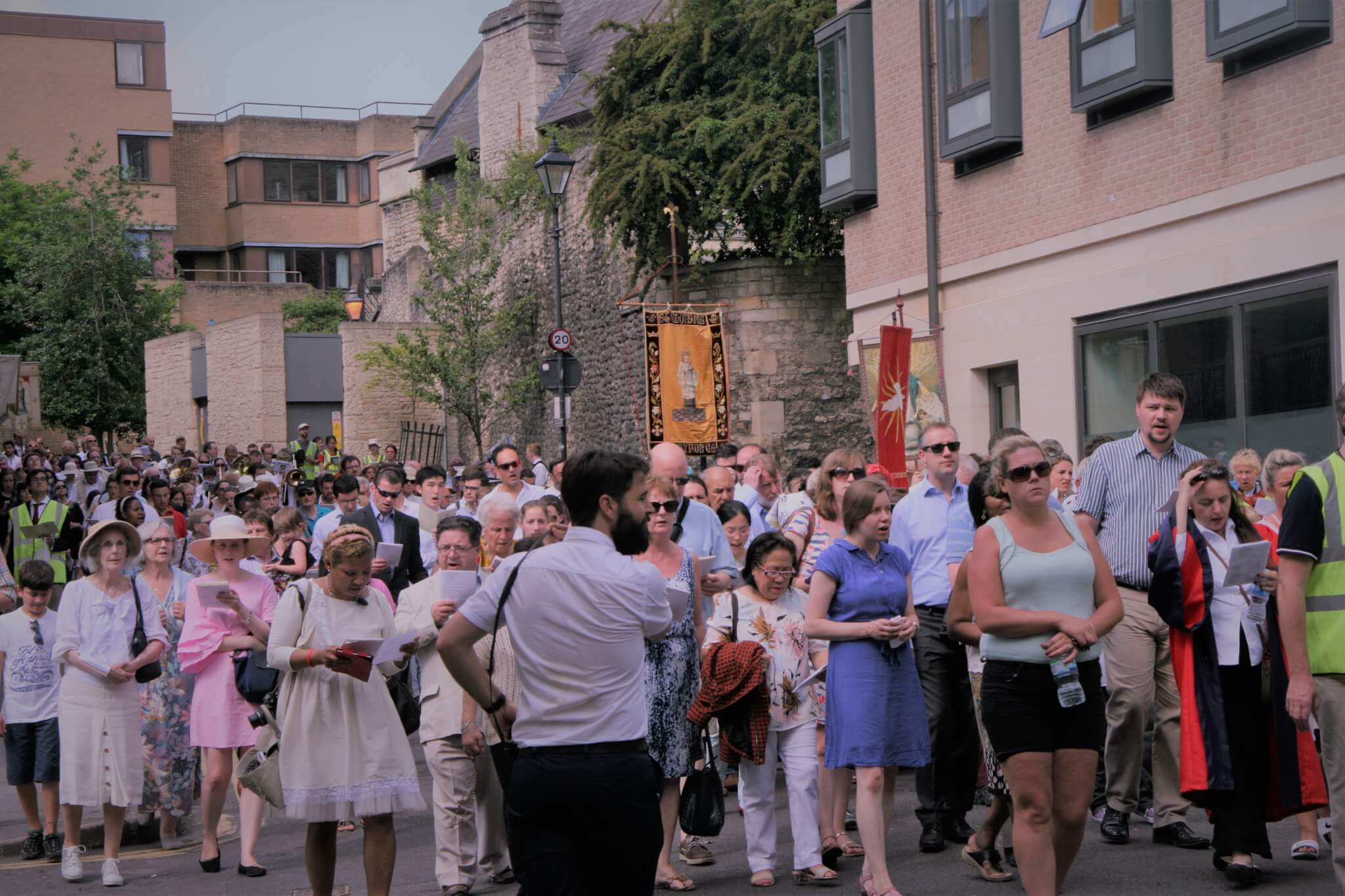
Many hundreds braved the sweltering heat yesterday to walk through the streets of Oxford with our Eucharistic Lord. For the first time we were able to close streets to traffic along the way, by the courtesy of Oxford City Council, and this made for a smooth procession and an excellent witness.

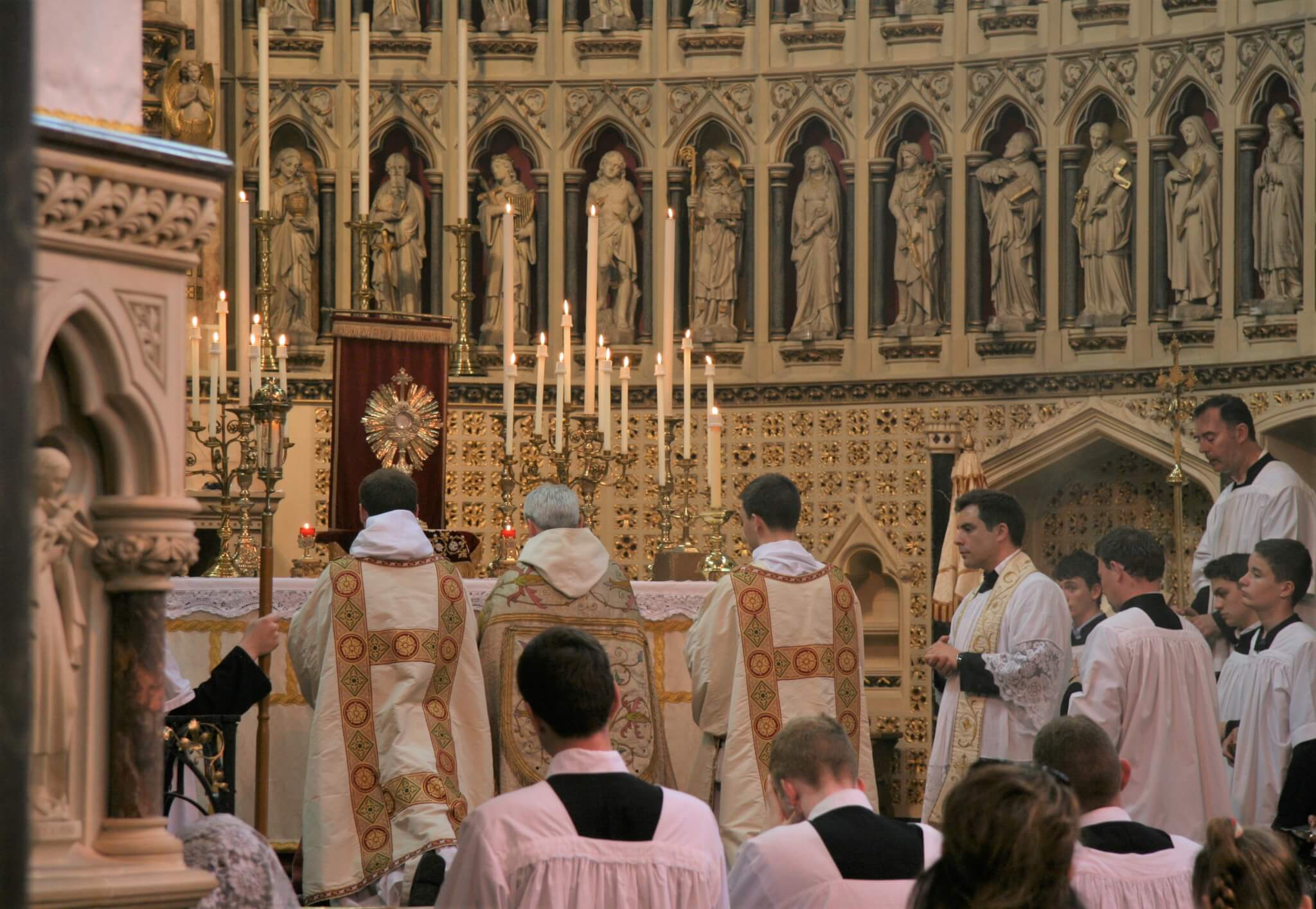
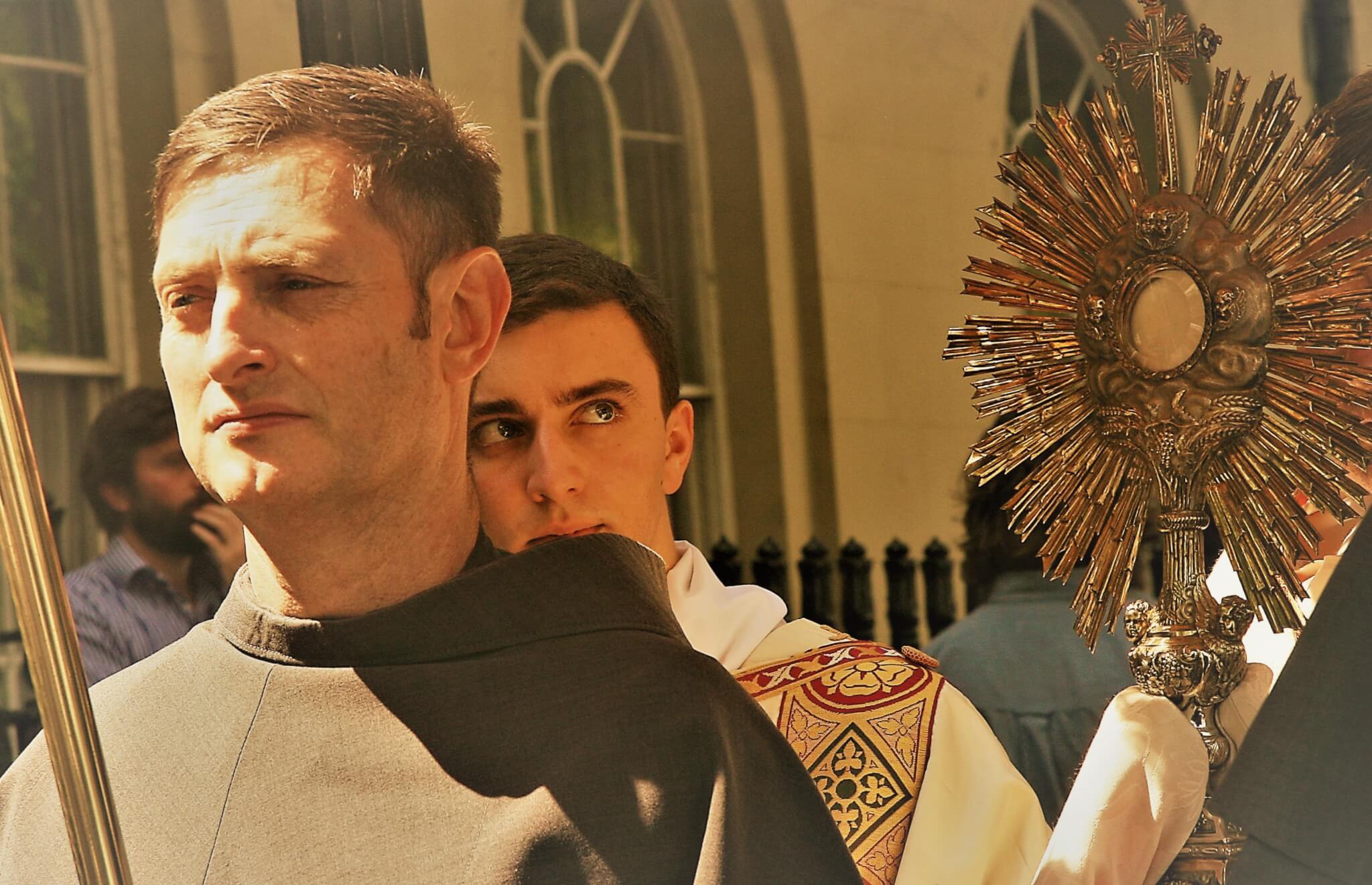
The Blessed Sacrament is exposed:

IMG_1545

The Blessed Sacrament is taken from the Oratory:

IMG_1574

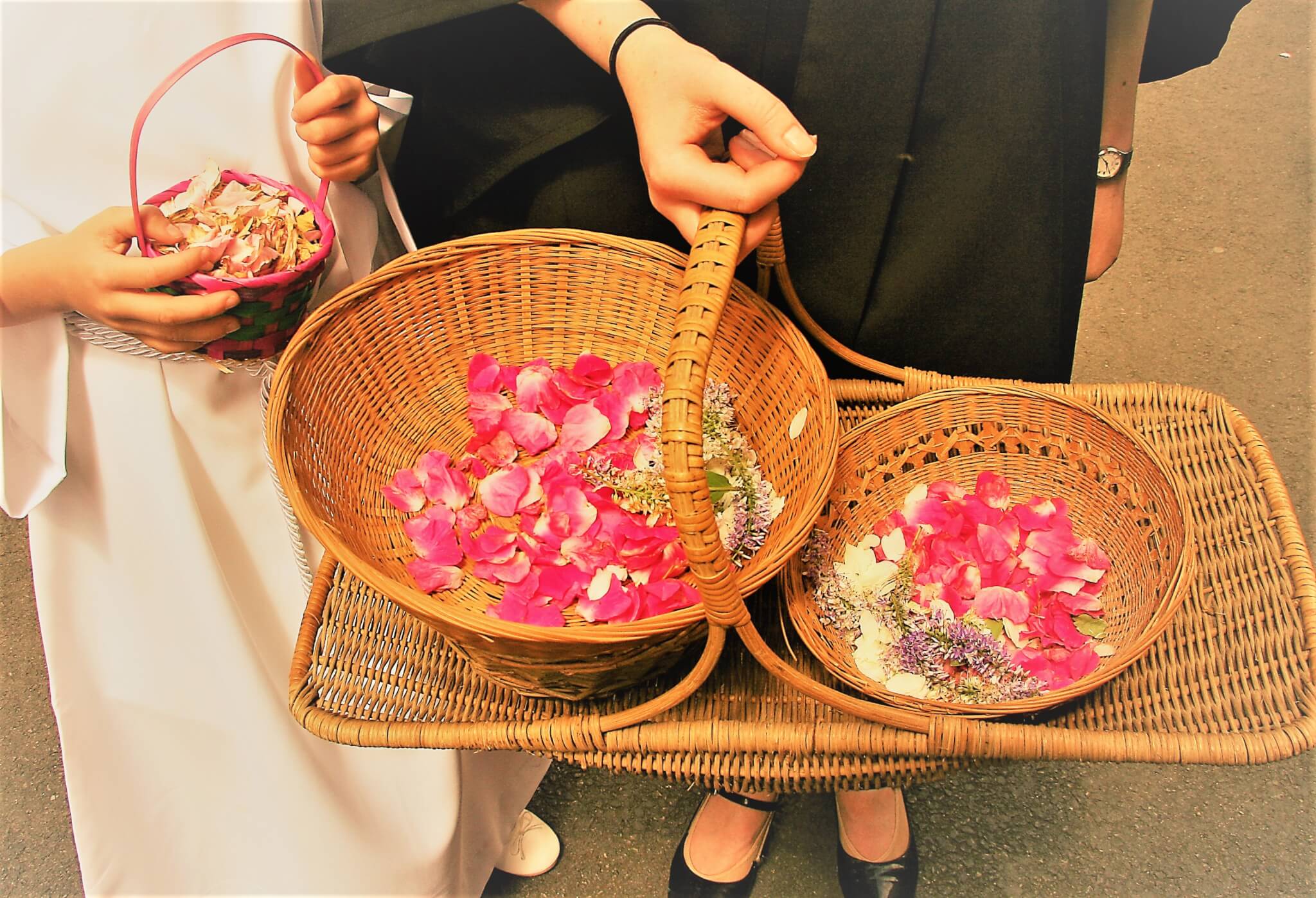
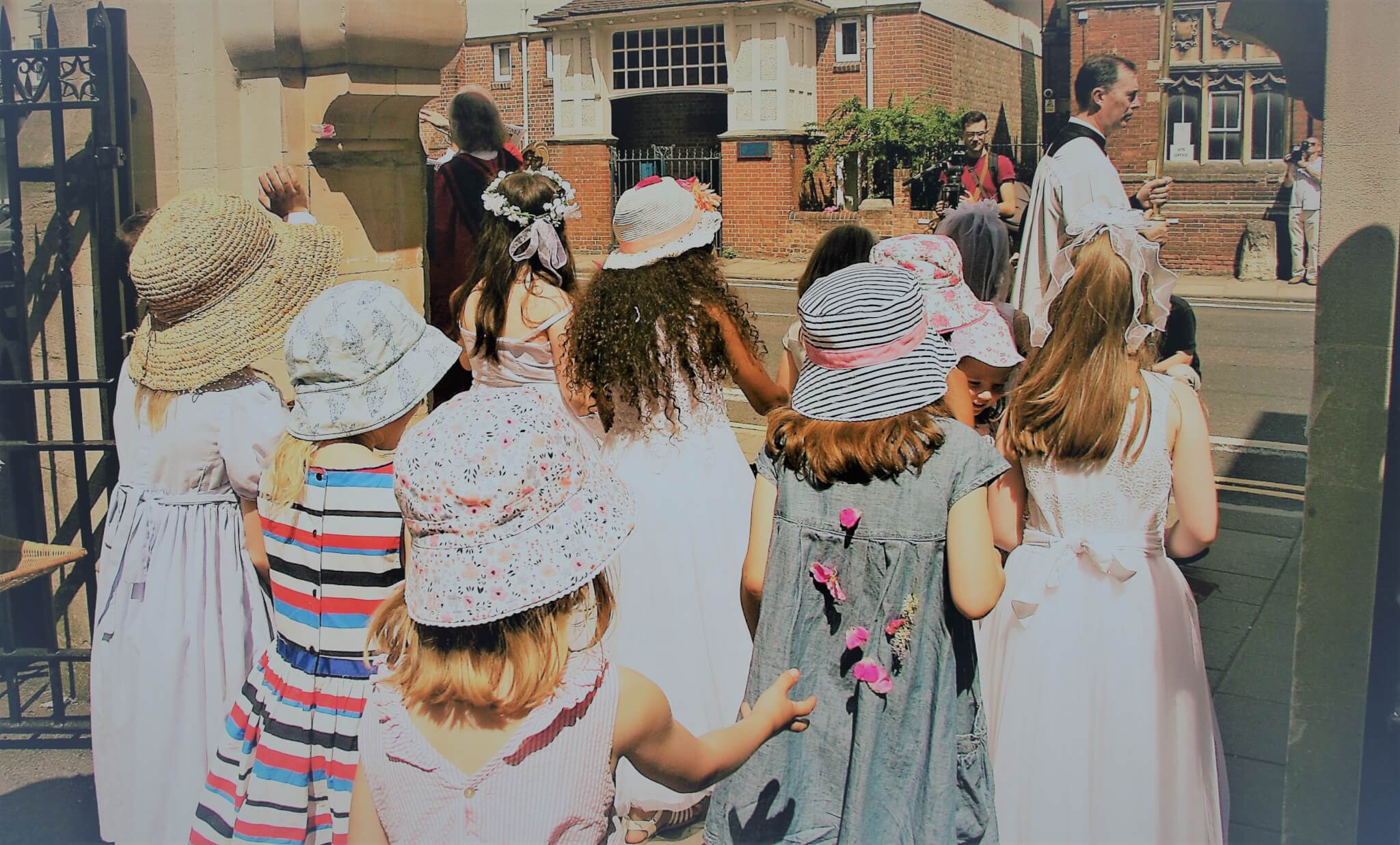
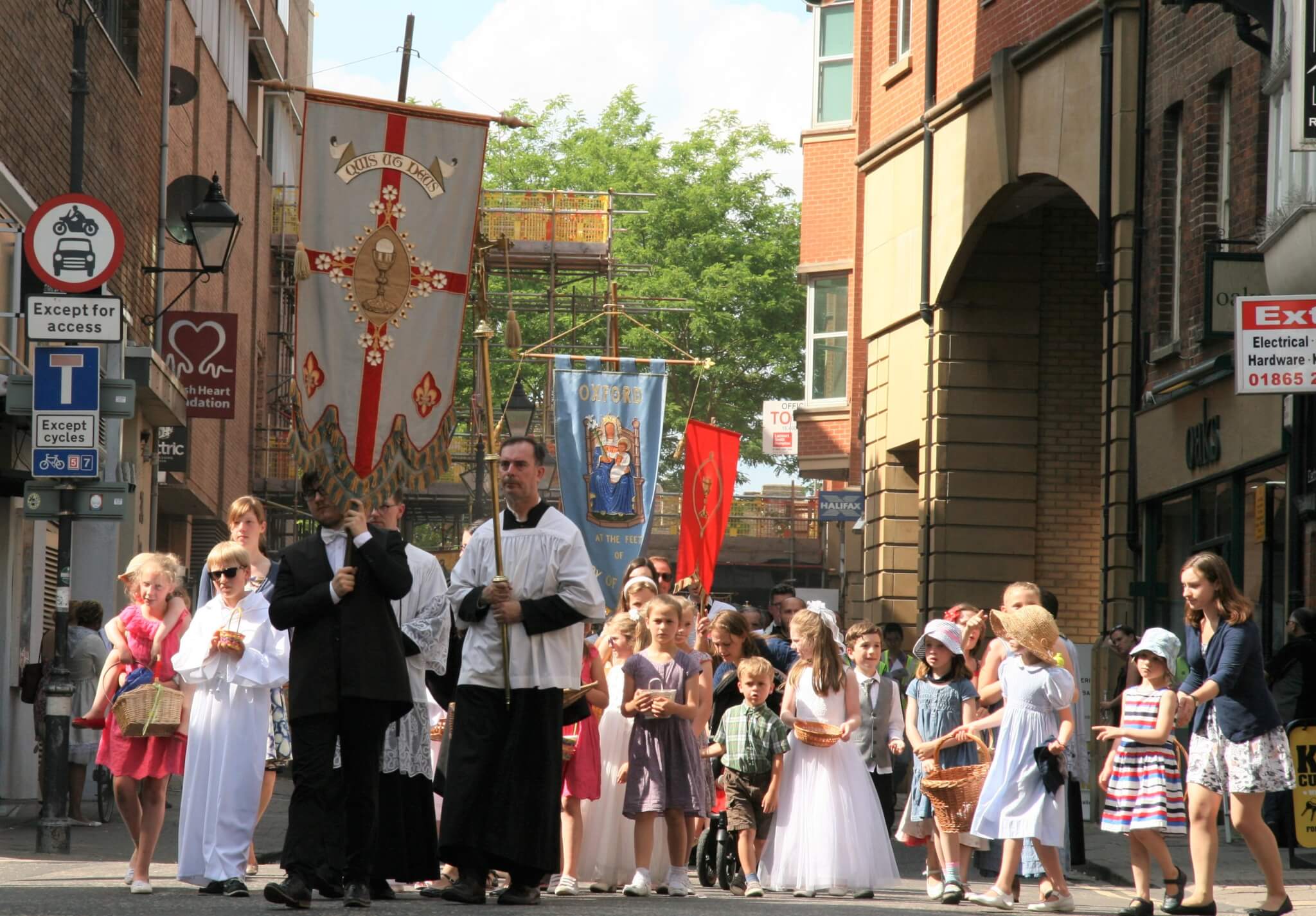
Parishioners'gardens provided petals to strew along the Processional route:

IMG_1964a


IMG_1546

The Procession heads along St Giles':

IMG_1551

IMG_1555

The canopy bearers were from the Conventual Franciscans house in Oxford

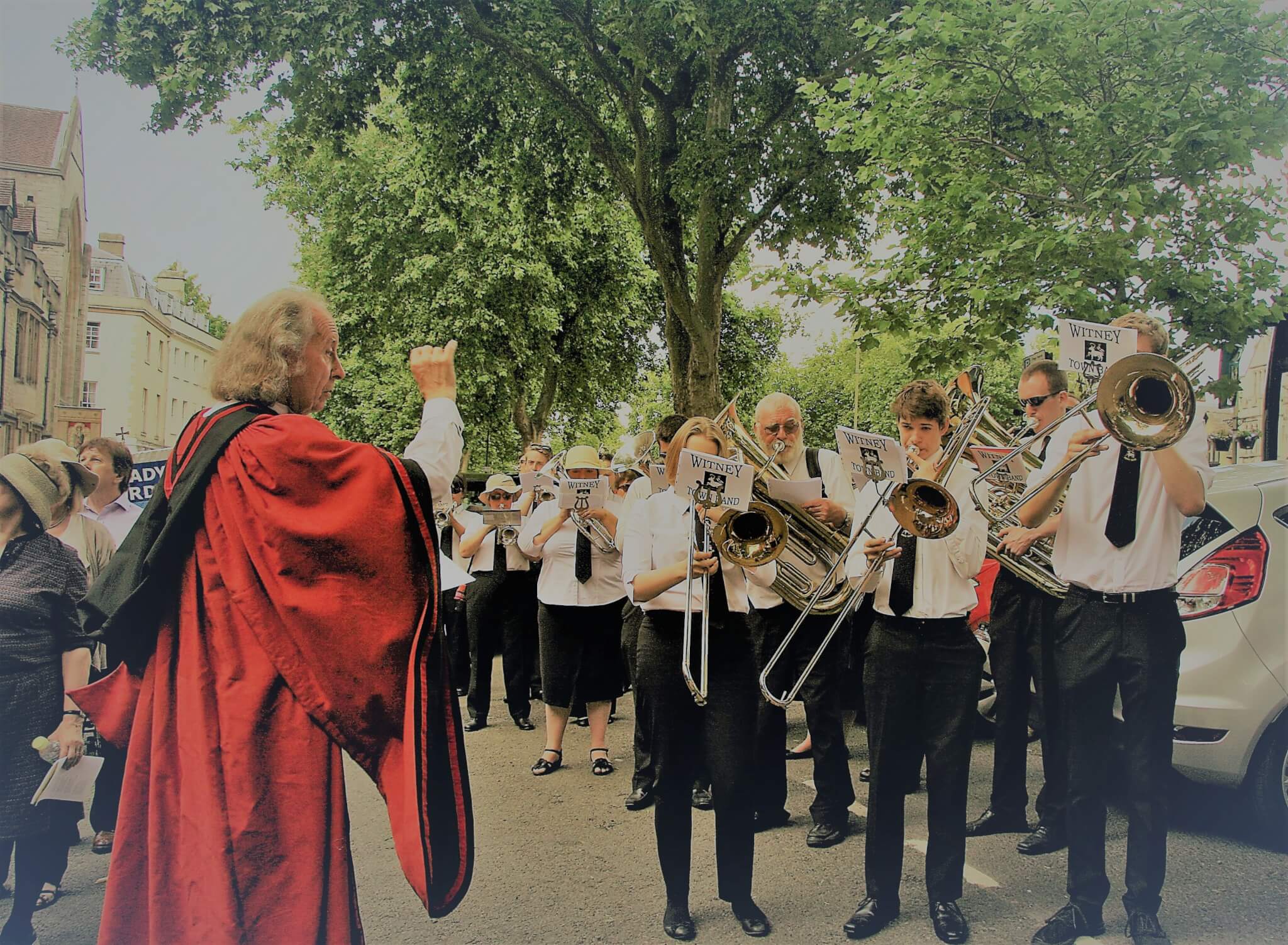
The Witney Town Band performed valiantly and rousingly a selection of marches and hymns to the Blessed Sacrament:

IMG_1557

At Blackfriars, where Fr Robert Ombres O.P. preached:

IMG_1558

The Gospel is read:

IMG_2030a

 IMG_1581

IMG_1580

The Procession leaving Blackfriars:

IMG_1583

This year the Procession was, as the website mentions, very effecively re-routed round the churchyard of St Mary Magdalene's church and past the Oxford Martyrs Memorial, erected to commemorate Cranmer, Latimer and Ridley in 1841 as a riposte to the Oxford Movement... :

IMG_bbb


Archbishop Cranmer doesn't appear to approve. The Clever Boy will add that in 1555 Cranmer, together with Latimer and Ridley, were brought out from their prison to watch the Corpus Christi Procession that year and definitely did not approve - one of the bishops dived into a shop doorway to avoid the spectacle... :

IMG_2076a

In Magdalen Street:

IMG_1584


IMG_2086d

The corner of Balliol is the site of the Catherine Wheel Inn where the four Oxford Catholic Martyrs of 1589 were arrested:

IMG_ccc


IMG_ddd


St Michael's Street, passing the Oxford Union:

IMG_eee

IMG_2107a

IMG_fff

New Inn Hall Street:

IMG_2119d

St Ebbe's:

 IMG_1567

IMG_1568

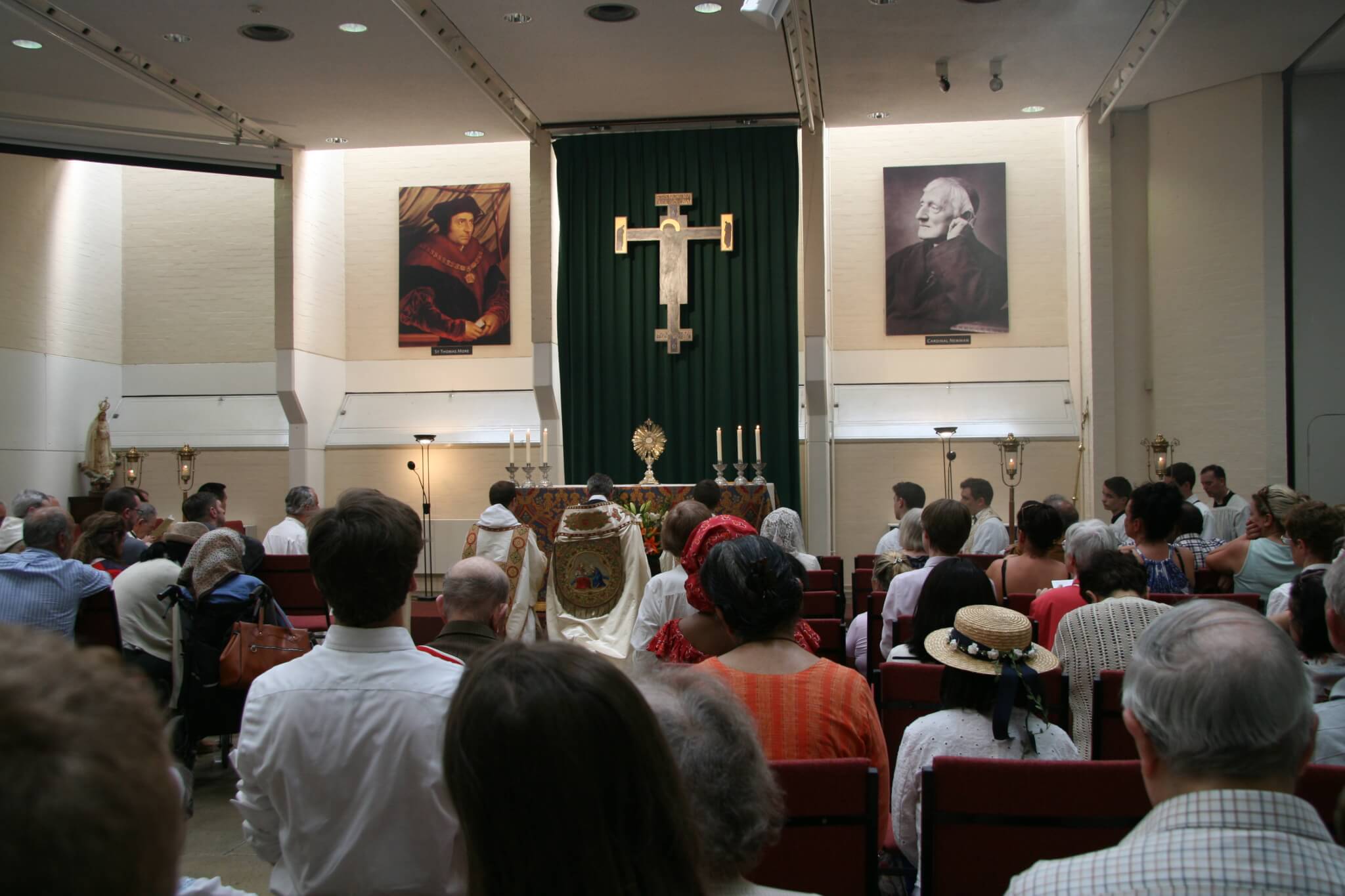
Benediction was given in the Newman Rooms at the University Chaplaincy:


Fr Daniel gives Benediction:
 
IMG_2199a


IMG_2213b

At last, tea!

IMG_1573

Images: Oxford Oratory website


As always this was a splendid witness to our belief in the Blessed Sacrament and Our Lord's Presence amongst us, and I was delighted once again to be a participant.


Tuesday, 31 March 2015

Out and about Oxford with Friars


This morning I gave a tour for the community of the Oxford Franciscan Conventuals of the sites of the four medieval friaries in the city.We arranged to meet in Radcliife Square and thus I set off leading my group of Franciscans in their monastic habits around the city.

It has to be said that not much remains, indeed very little above ground of any of the four houses, but excavations, surviving records and texts and the eye of faith help. The buildings of the friaries had largely gone in all four cases by 1578 when Ralph Agas drew his aerial map of Oxford.

All four were situated just outside the city walls, and, as in other cities, strategically placed to minister to a particular quarter of the urban community. Certainly here in Oxford they all had extensive open space around them, and one of the Friars pointed out to me that the radical Franciscan Peter John Olivi (d.1298) defended the Franciscans right to have gardens for recreation in the debate on poverty within the Order. 

I understood also that one of the present community had seen a manuscript of receipts from one of the medieval friaries in Oxford which suggested they made an income from baking altar breads and from tanning.

We started with the Austin friary - now represented by the site of Wadham, including the King's Arms, and parts at least of the sites of Rhodes House and Harris-Manchester. At the south-east corner there a late medieval doorway can be seen from Mansfield Road which is probably part of the perimeter wall of the friary complex. The friary hosted regular academic disputations, known as "doing the Austins", after one of which Wyclif was informed of his censure by a Church council.

The Carmelite house started on the site of what is now Worcester College. King Edward II fleeing from the defeat of Bannockburn is said to have vowed a new site for the Oxford Carmelites if he escaped, and fulfilled it by giving the royal residence of Beaumont Palace, birthplace of King Richard I and King John, to them in 1317. Apart from the lane called Friars Entry - presumably on the site of the gatehouse - all that can be seen above ground is some pieces of window tracery in a garden behind Beaumont Street (developed at the beginning of the nineteenth century and crossing the site). It is not clear if this does come from the friary or has been rescued from another site in the city. I understand foundations of two substantial walls have been found either side of Beaumont Street itself which may well be those of the church - or possibly an earlier great hall of the palace.

We then crossed the western side of the medieval walled urban area, and out by the site of Littlegate, to look at what remains of the Dominican gatehouse, now built into the Centre for the Deaf. East of it was the church - its plan recovered in part by excavations in the early 1970s - and now covered by modern housing and part of the Magistrates court. This was the burial place from 1312-1315 of Piers Gaveston, and I gather what may have been his tomb was found in the cloister during the excavations. As Gaveston was excommunicate at the time of his death he would not have been interred in the church. His body was subsequently removed to King's Langley and the Dominican house there.

Just to the west and straddling the town wall was the Franciscan friary. Today a piece of grass protects the remains of the choir of the church - like the Dominican site the stone foundations were largely robbed away - and there is a plaque to commemorate Roger Bacon (1214?-1292?), as well as the nearby street Roger Bacon Lane. He lived on in folk memeory as the bridge gate on the old Folly Bridge, demolished in 1779, became known, erroneously, as Friar bacon's study. The excavations of the early 1970s revealed the plan of the church - like the Dominican church it had a typical friary plan of unaisled choir and aisled nave, but here there was also an elongated north transept to house more altars along its east wall. This looks to be a unique feature, suggesting both the numbers of the friars and popular demand for Masses. 

At the moment building work is going on opposite the site of the church as part of the rebuilding of the back of the Westgate centre - one might hope this process will yield more about the history of the site.

The grassy area of the choir once held the shrine of Bl. Agnellus of Pisa, who led the first Franciscans to England and who died in 1236.


Bl.Agnellus of Pisa, 1195-1236

 Image: Franciscan Province of Great Britain website/Supremacy and Survival blogspot 

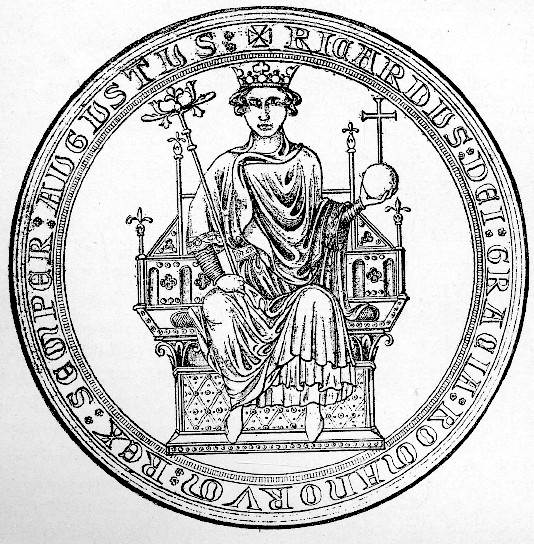
Also in the church was the heart of Richard of Cornwall, King of the Romans and brother of King Henry III, who died in 1270, and the  body of his third wife and Queen Beatrix of Falkenburg. King Richard himself was buried at Hailes, his  Cistercian foundation in the Cotswolds that housed the relic of the Holy Blood.


The Great Seal of King Richard of the Romans

Image:Wikimedia

In the 1380s the community included Peter of Candia, born in Crete and one of the Greek-speaking Franciscans who were sometimes resident in medieval Oxford; he was elected as Pope Alexander V in the Pisan obedience in 1409, but died the following year.


Pope Alexander V

Image:www2.ucy.ac.cy

I also drew attention to the important library of the Oxford Greyfriars. They possessed the manuscripts, and also the sanctuary slippers, of Bishop Robert Grosseteste of Lincoln (d.1253), who had been a friend and patron of the Order.

http://simon2014.com/wp-content/uploads/2012/06/Grosseteste-e1352234580586.gif

 Bishop Robert Grosseteste

Image:simon1214.com

Sadly the library which had been an important centre for study appears to have been in decay on the eve of the dissolution when John Leland visited it.

This was a most enjoyable morning, and it was a pleasure to show the present Conventual Franciscans where their predecessors had lived, as well as to relax with them over coffee afterwards and share ideas about the life of medieval friars.


Friday, 22 August 2014

Greyfriars return to Oxford


At noon today in Blackfriars here in Oxford two Franciscan Conventuals,  Bro. James Mary McInerney and Bro. Gerard MaryToman made their Solemn Profession as members of the Order (OFM Conv.) to the Vicar General, Fr Jerzy Norel, who had travelled from Rome for the occasion. This was the first time Franciscan Conventuals had been professed in Oxford  for almost 500 years and today can be seen as the formal beginning in Oxford of their new house here, which they will occupy next month.

Oxford does, of course, already have a Capuchin Franciscan house in Greyfriars in Iffley Road, but they are now to be joined by the Conventual Franciscans who are establishing themselves in the former convent of the Anglican All Saints Sisters of the Poor in St Mary's Road, just off the Cowley Road. They are well known for its work in running and promoting Hospice work for terminally ill children and teenagers in Helen and Douglas House. The building itself is an early work of Sir Ninian Comper. The site has been renamed The Friary. The Anglican Sisters will continue their work alongside the Hospices and based in smaller premises as part of the same complex. The Friary will become the main formation house for the Friars throughout the Custody of Great Britain and Ireland.


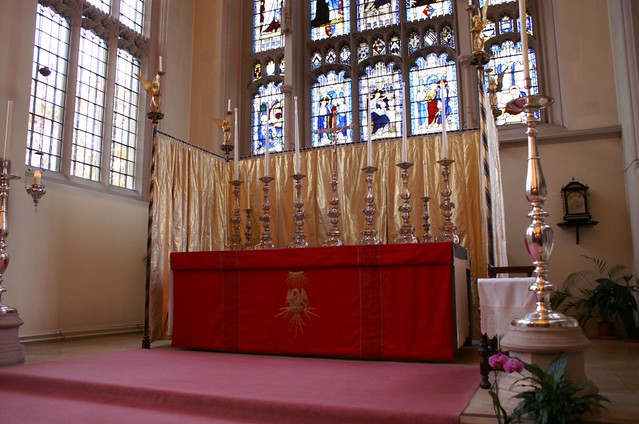
All Saints' Convent church
The interior of the chapel of the Convent

Image:Laurence Lew on Flickr


The chancel of the chapel

Image:asspoxford.org


photo

The High Altar

Image: Allan Barton (Vitrearum) on Flickr
The website of this new Franciscan foundation can be seen, hopefully, at The Greyfriars | Oxford.
It will no doubt have the photographs which were being taken of todays professions and Mass.

There will no doubt be some confusion as to which is which community - but 'twas ever thus with the Franciscans. When it comes to habits theConventuals wear grey habits, the Capuchins wear brown habits.
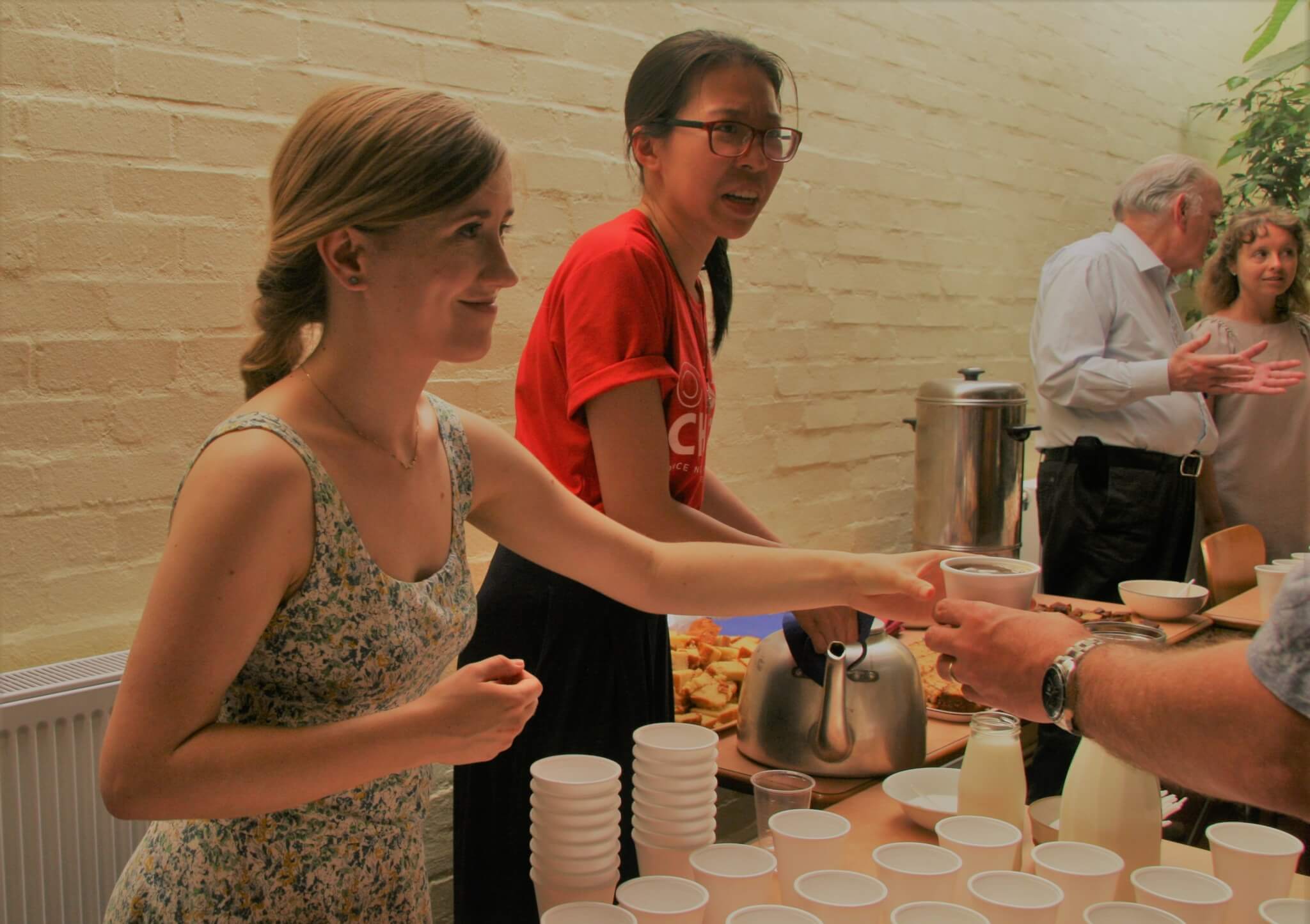
The following paragraphs are adapted and supplemented from posts there, which reproduce piecues from the local press:


On Saturday 17th May 2014, the Friars from Blessed Agnellus of Pisa Formation House in Oxford appeared on the front page of the Oxford Mail .

 The interview came about after plans were unveiled that the Friars will be moving from their current home in Holton, near Wheatley, to a new home in Cowley just a short distance from the city centre. 12 friars will be making the move into the former All Saints Convent on St. Mary's Road in Cowley, formerly the home of the Anglican All Saints Sisters of the Poor. The Sisters will be relocating to a smaller residence nearby, and have been extremely positive about the friars' arrival in Cowley.

Greyfriar formator Friar Daniel Geary, 53, said: “It is going to be quite a wonderful and historic moment. “There will be 12 of us in the house of formation, with many being involved in training and going to classes. But part of that process is also to become involved with the area. Cowley is a very rich and diverse place and we look forward to joining the community.”

Known as the Greyfriars for their grey habits, two members of the Franciscan Conventuals first arrived in Oxford in 1224, having been sent to England by St Francis of Assisi.  In September that year nine Franciscans arrived ashore at Dover, led by Blessed Agnellus of Pisa, and chosen by St Francis of Assisi. In November 1224,after leaving five friars in Canterbury, two friars moved to London, and the last two settled in a house in Oxford. Here they established a major teaching foundation here which survived until 1538. In 1517 (an ominous year!) Pope Leo X divided Franciscans into Conventuals, who live in cities, and Observants, who live outside them.

In 1906, the Greyfriars returned to England. Then in 1928 another branch of Franciscans, the Capuchin Franciscans, took over the care of Greyfriars Hall in Iffley Road.

Last September the Greyfriars took a house in Holton, near Wheatley, and since then they have been hoping to move back to the city.

Paul Kennedy, 28, is currently training to be a friar. He said an increase in young recruits like himself prompted the Order to come back to Oxford. He said: “We thought it was a good reason to come back, it’s really quite exciting for all of us. “It has been a struggle to find somewhere that has enough bedrooms for all of us.  But we heard the All Saints sisters had left their convent because it was too big and they were more than happy to let us move in.”

The new convent is also next door to Helen & Douglas House, established by the Sisters, and the St John’s residential care home, which Paul says the Greyfriars will offer their services to.

He added: “We have already had much support from local groups and many of us study at Blackfriars Hall [in St Giles’]. “The reason we wanted to be back in a city is so we can work closely with the homeless, the poor and local schools. We hope if people know we are here they will come to us when they need us most.”

For those friars training for the priesthood, The Friary will be an ideal location for travelling in to the city centre for their classes at Blackfriars Hall. The multicultural Cowley Road is busy, colourful and lined with cafés, restaurants and shops, with a mixed population of students and professionals. On the same site as The Friary are Helen & Douglas House children’s hospice, and St. John’s nursing home; both of which have a long and fruitful history with the All Saints Sisters of the Poor who helped to establish them both. Student Friars are hoping to get involved with these ministries as part of their apostolates, and have already started volunteering at Helen and Douglas House and The Porch Steppin’ Stone Centre on nearby Magdalen Road.

The Friars spent two full days moving from their former home in Holon, near Wheatley and are now looking forward to a short break before they begin their summer assignments. The Friary will officially open in September with the start of the new academic year, and the Friars will welcome two new postulants and also the return of three post-novices from the United States.

The Community asks for  prayers during this time of transition, and also for the All Saints Sisters of the Poor.