Once I was a clever boy learning the arts of Oxford... is a quotation from the verses written by Bishop Richard Fleming (c.1385-1431) for his tomb in Lincoln Cathedral. Fleming, the founder of Lincoln College in Oxford, is the subject of my research for a D. Phil., and, like me, a son of the West Riding. I have remarked in the past that I have a deeply meaningful on-going relationship with a dead fifteenth century bishop... it was Fleming who, in effect, enabled me to come to Oxford and to learn its arts, and for that I am immensely grateful.


Monday, 6 June 2016

The Loch Ness Monster - by Royal Appointment?


The Daily Telegraph had an interesting little story the other day as to how the Loch Ness Monster was nearly named after The Queen.

According to a new book scientists wanted to name the Monster after The Queen to aid its survival as an endagered species but she politely declined, warning the choice would be ‘most regrettable’ if Nessie turned out to be a hoax. The somewhat eccesntric story can be read here.


Sunday, 5 June 2016

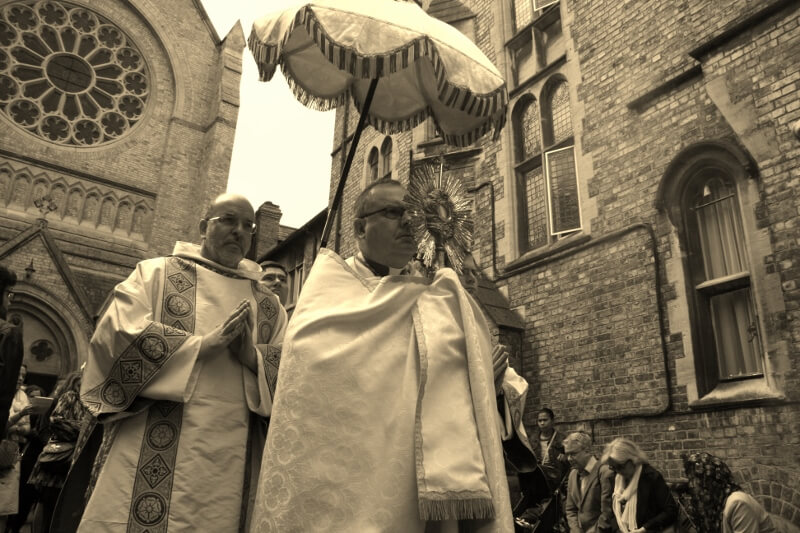
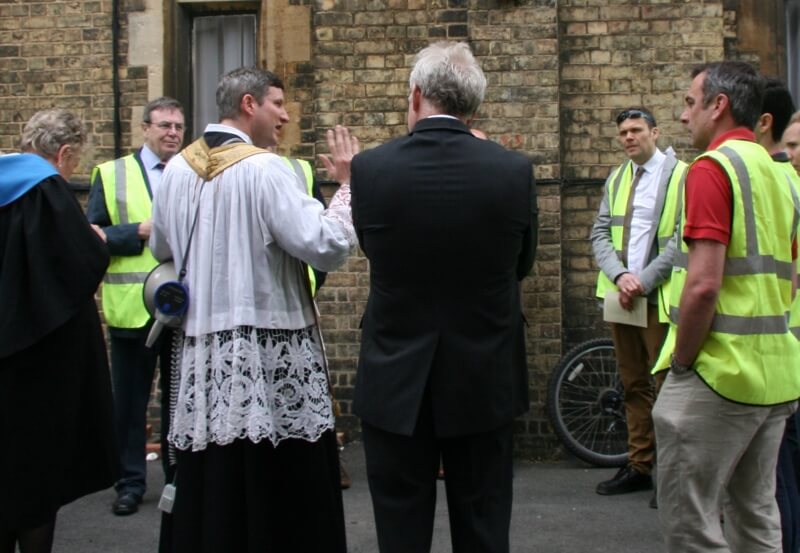
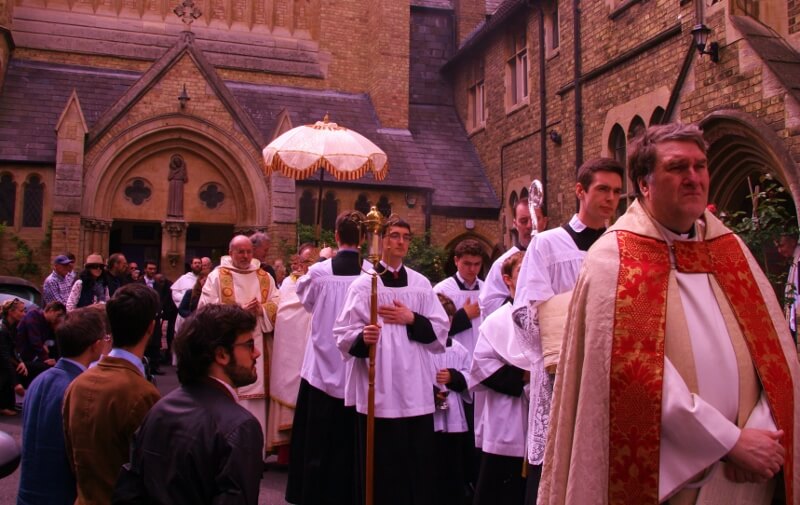
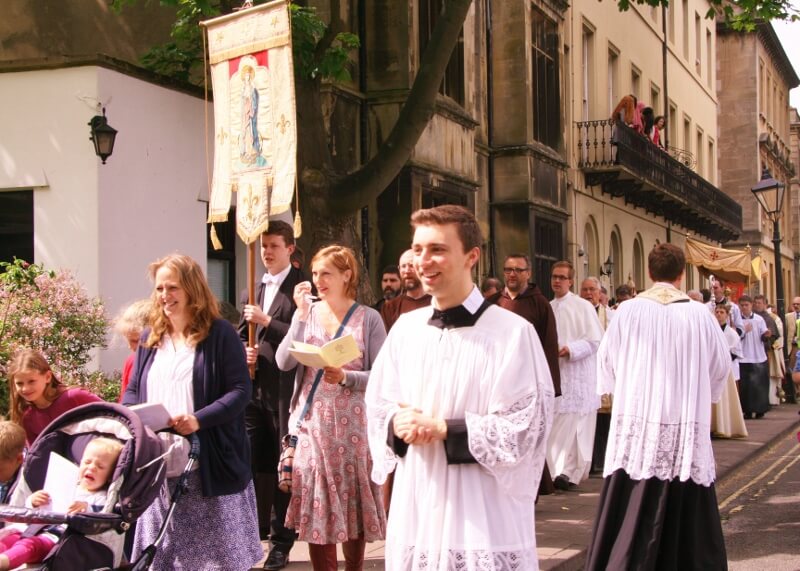
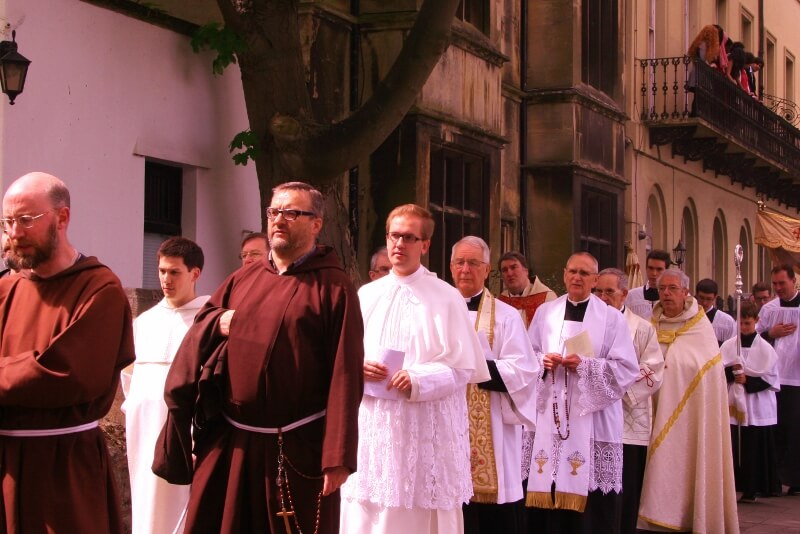
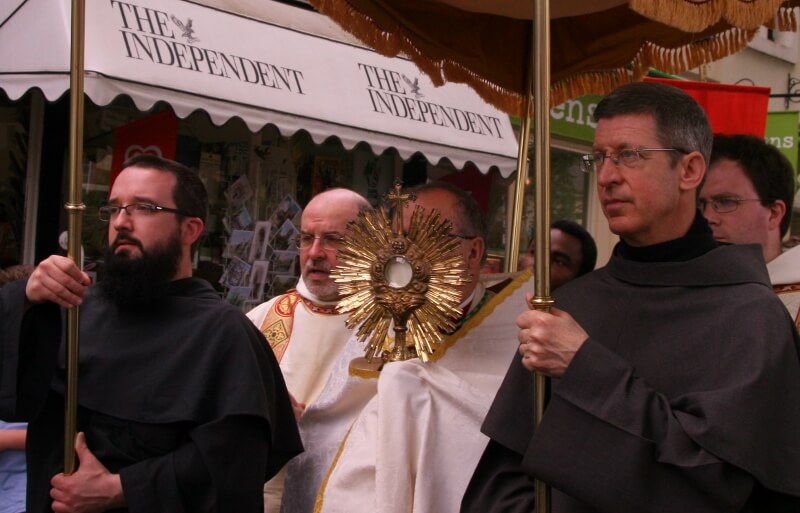
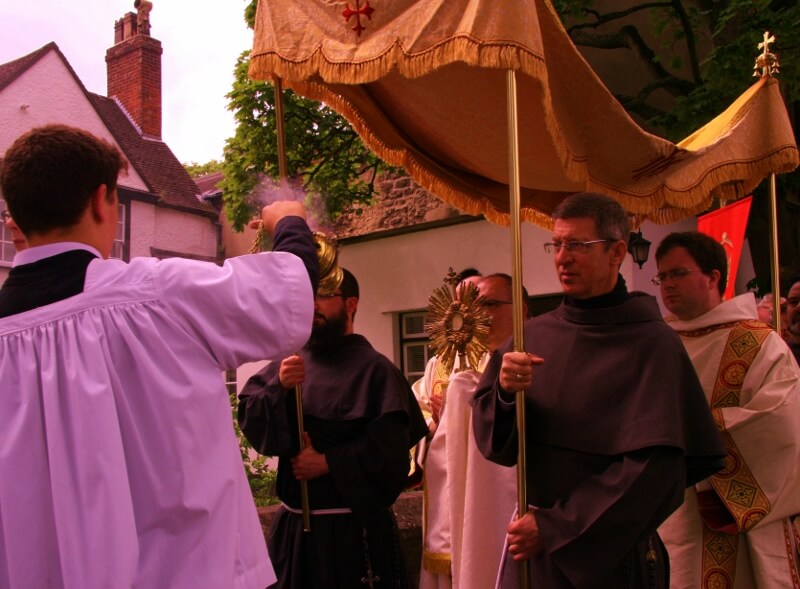
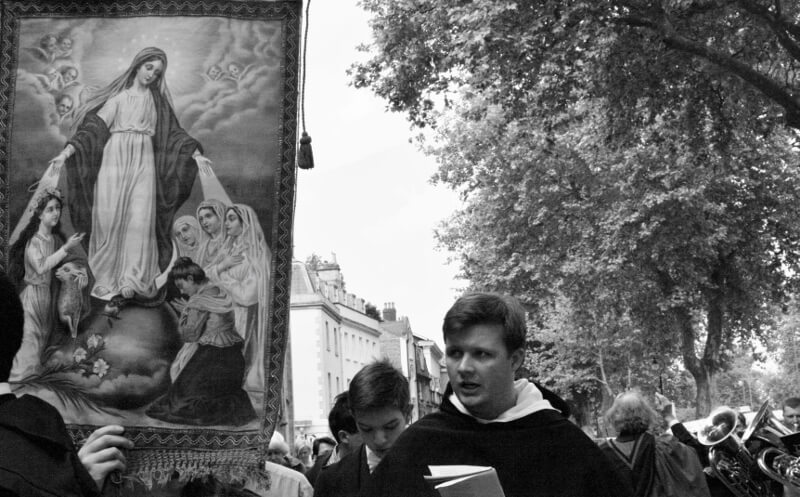
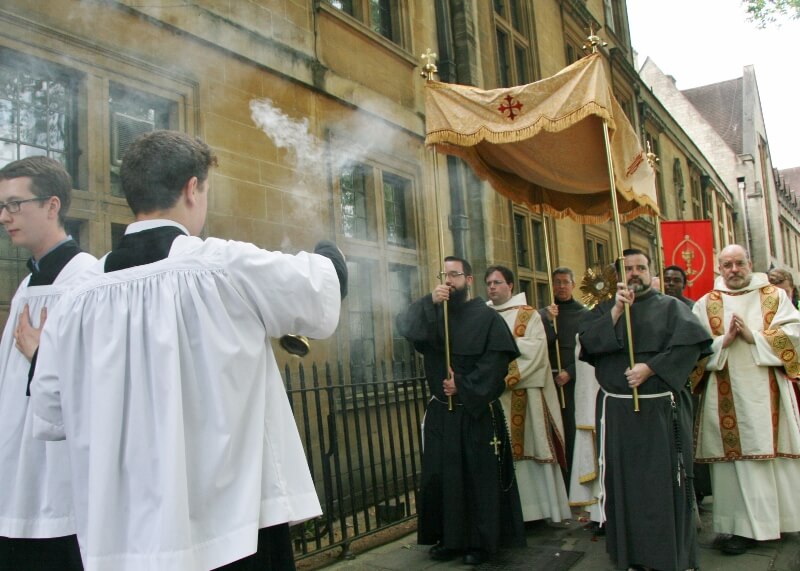
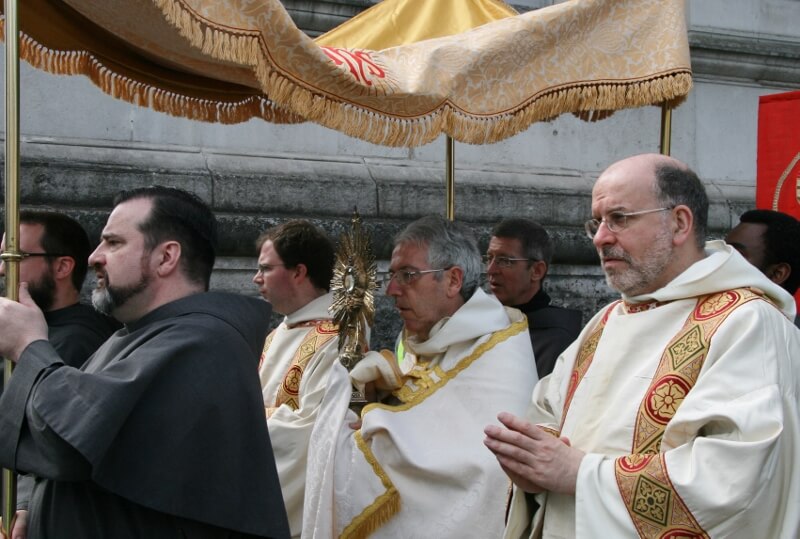
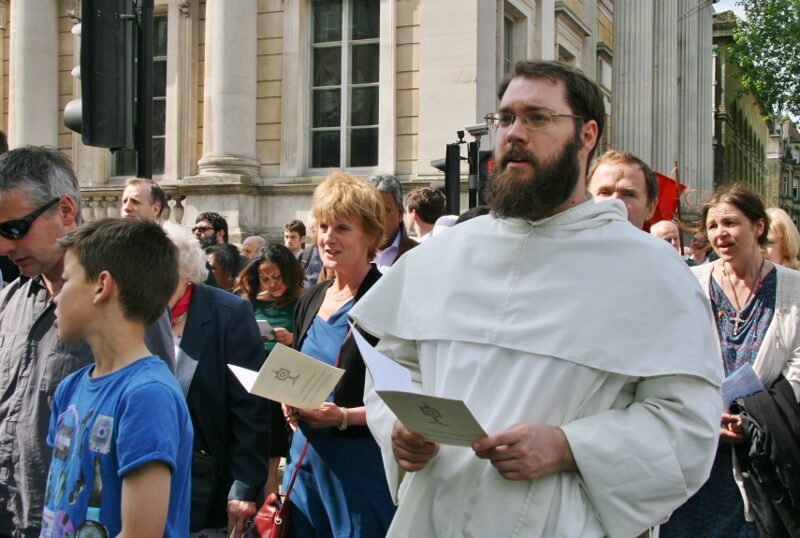
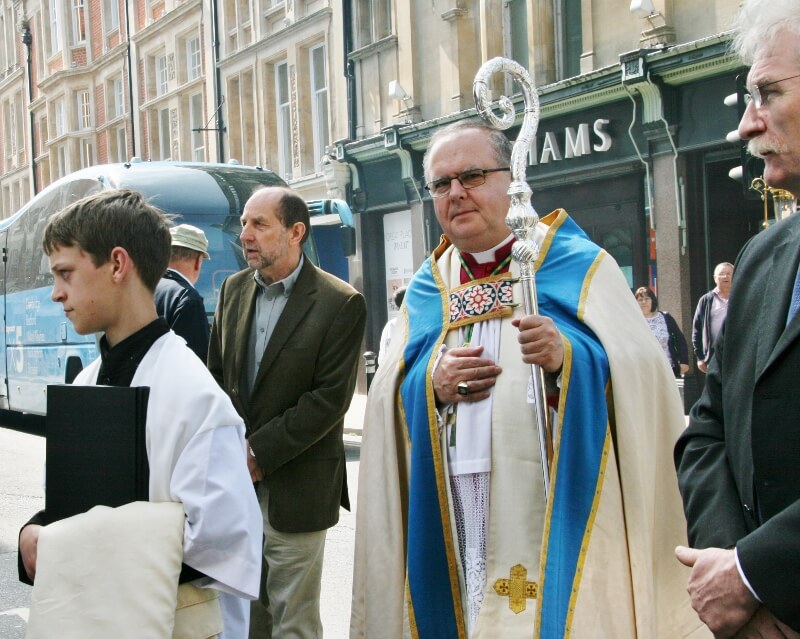
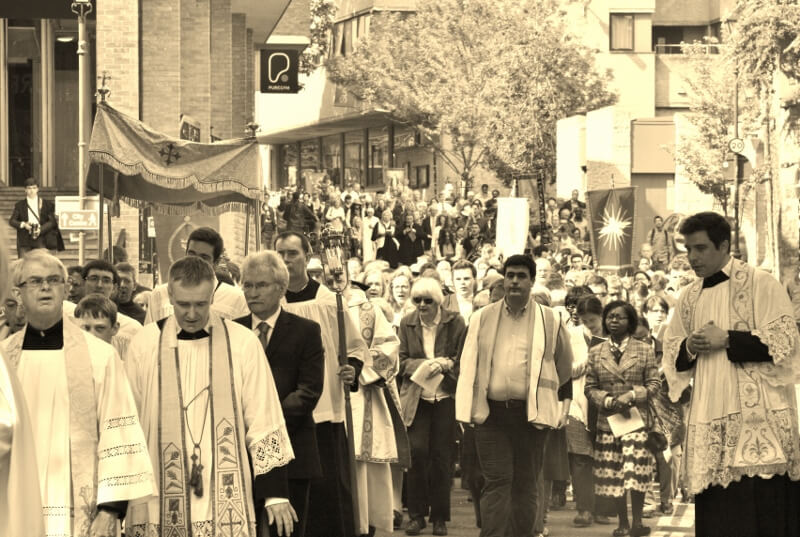
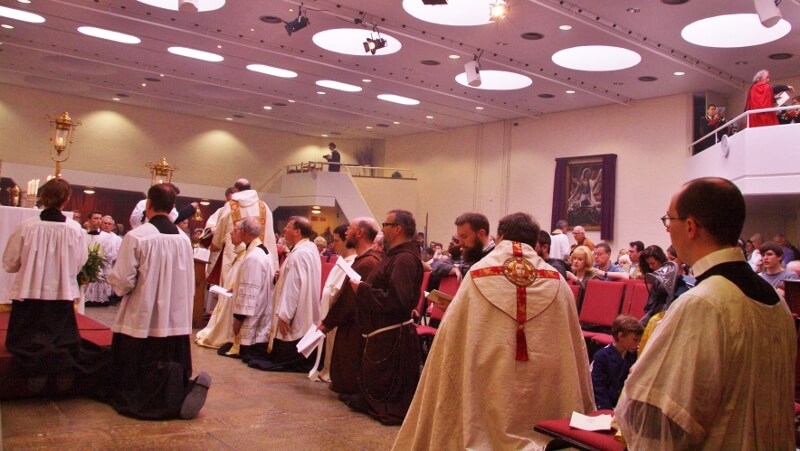
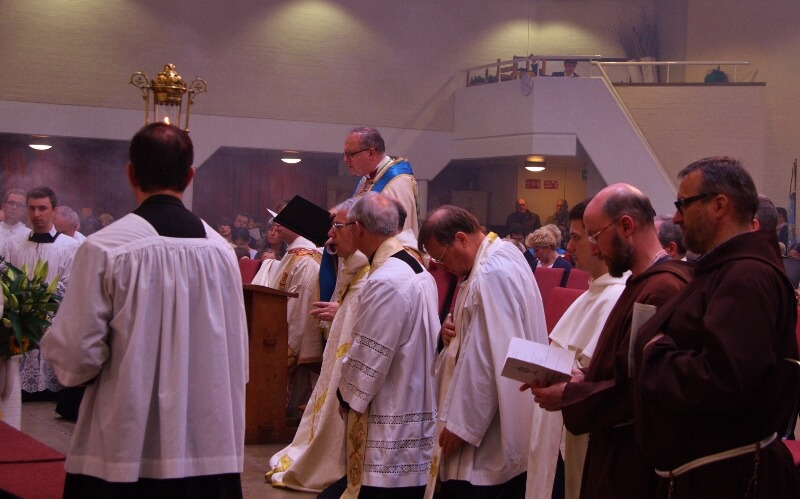
Oxford Corpus Christi Procession


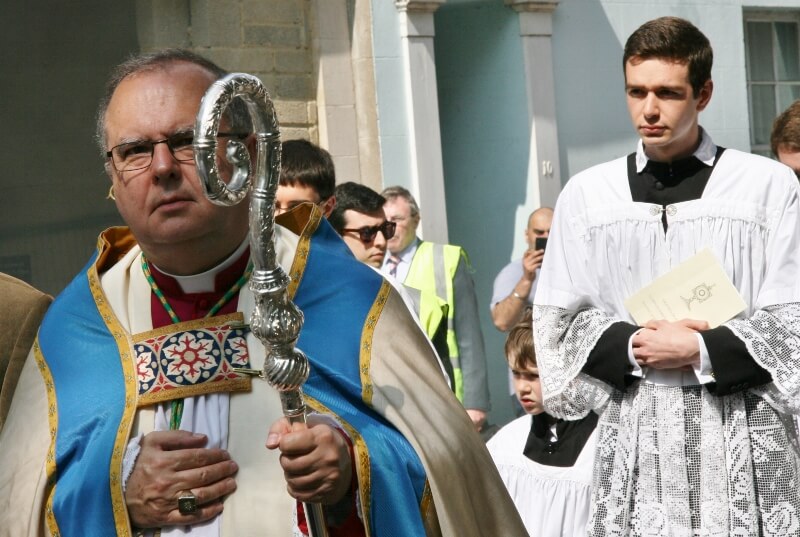
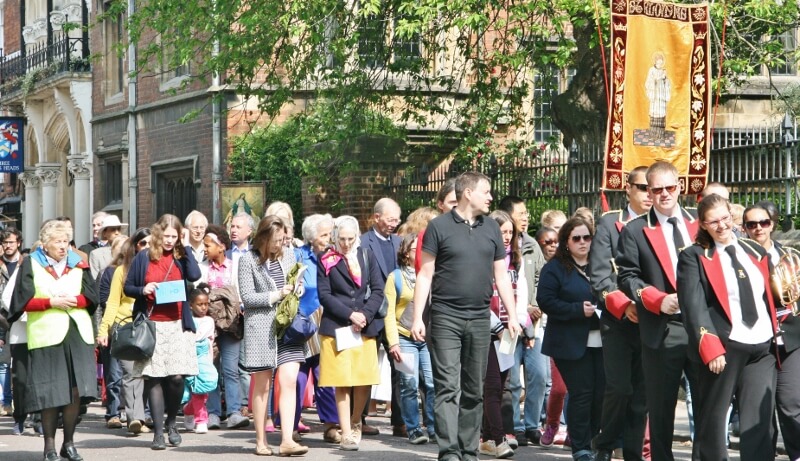
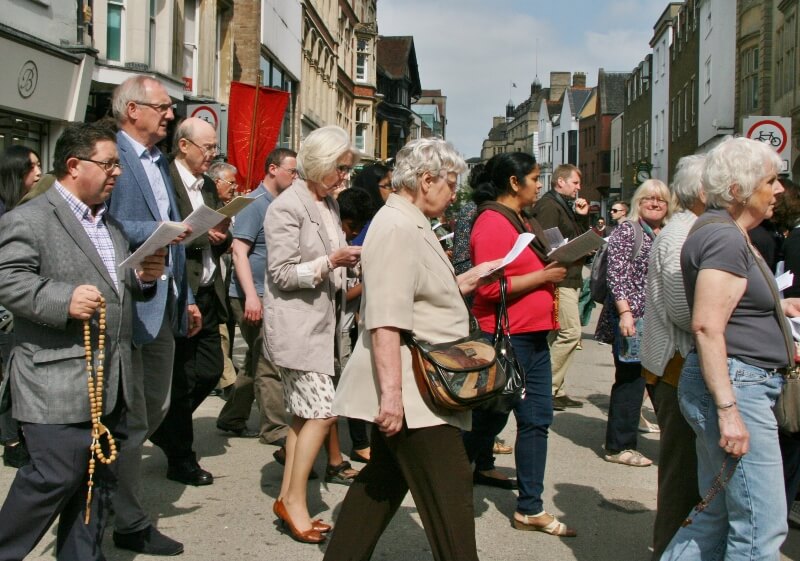
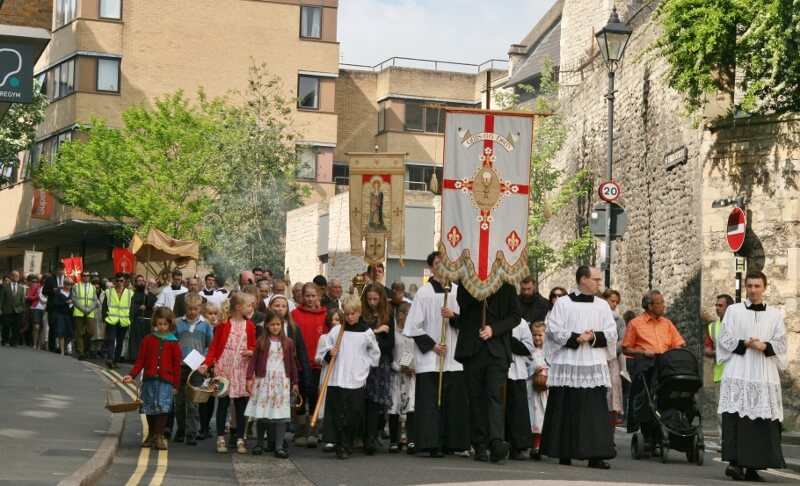
Here from the Oxford Oratory website are pictures of last Sunday's Corpus Christi Procession.

IMG_1005 (800x534)


On Sunday 29th May, Bishop Robert Byrne, Cong. Orat. led the Oxford Deanery Corpus Christi Procession.

IMG_0987 (800x533)

The marshals are briefed before departure:

IMG_0976 (800x553)

The Blessed Sacrament leaves the Oratory:

IMG_0984 (800x505)

The Procession heads down St Giles':

IMG_0998 (800x571)

IMG_0999 (800x534)

IMG_1018 (800x513)


IMG_1002 (800x475)

IMG_1004 (800x589)

IMG_1020 (800x485)

IMG_1028 (800x497)

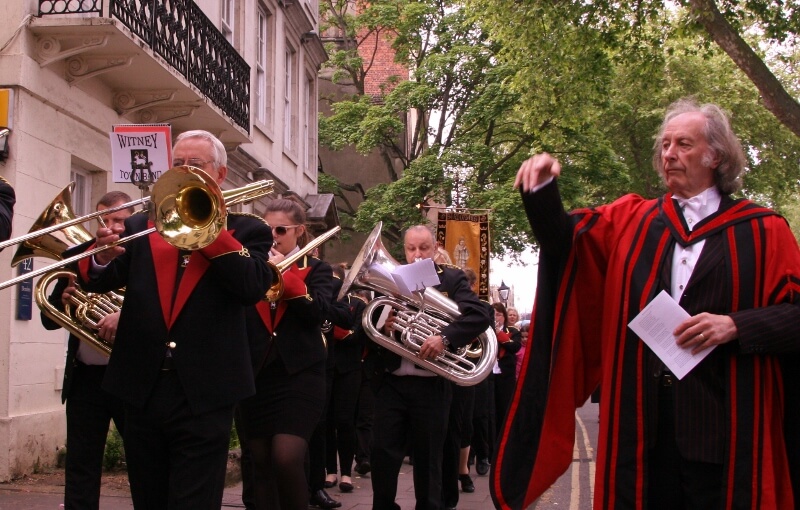
The Witney Town Band played stirring tunes and hymns to help us on our way:

IMG_1015 (800x510)

Arrival at Blackfriars:

IMG_1027 (800x590)

Fr Robert Ombres, O.P. preached about the altar at Blackfriars, made from Rouge Languedoc marble: a reminder that St Dominic combatted the Cathars, who denied the goodness of creation. In the Blessed Sacrament, God comes to sanctify and deify the flesh.

IMG_1045 (800x554)

IMG_1044 (800x515)

From Blackfriars, Fr Ombres carried Our Lord into the Cornmarket and through the busy shopping streets of Oxford:

IMG_1055 (800x509)

IMG_1056 (800x571)

IMG_1062 (800x539)

IMG_1069 (800x538)

IMG_1072 (800x639)

IMG_1083 (800x537)

IMG_1091 (800x461)

IMG_1106 (800x561)

Fr Keith McMillan, S.J. carried the Blessed Sacrament for the final stage of the procession:

IMG_1111 (800x486)

IMG_1123 (800x537)

Bishop Byrne gave Benediction at the Chaplaincy, accompanied by the band...

IMG_1149 (800x531)

…and Fr Dominic on the organ:

IMG_1138 (800x626)

IMG_1144 (800x569)

IMG_1148 (800x451)

IMG_1152 (800x499)

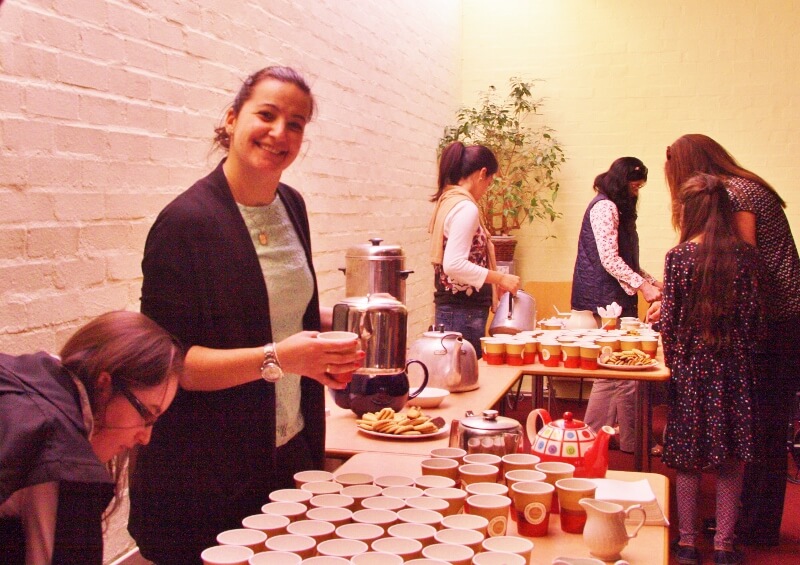
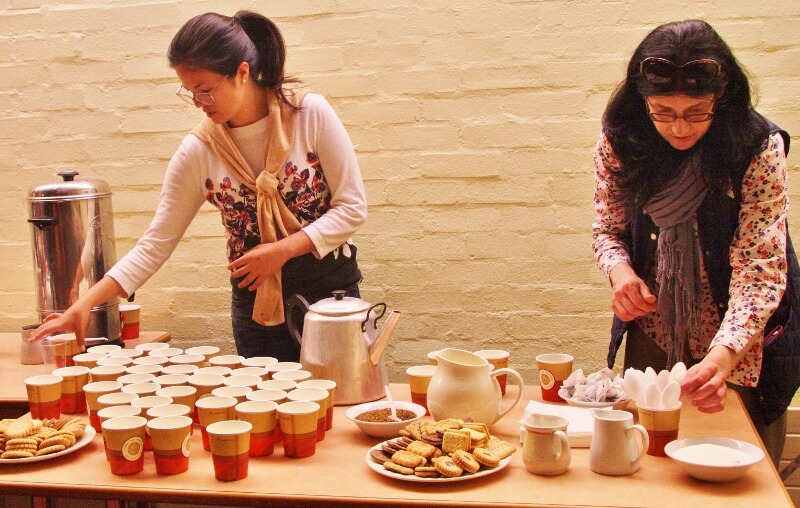
After which, we had a very welcome cup of tea, courtesy of the Chaplaincy:

IMG_1170 (800x565)

IMG_1171 (800x508)

Photographs by Hannah Chegwyn/Oxford Oratory website


King Louis X


Today is the seventh centenary of the death of King Louis X of France in 1316. He was 26, and had been King for little more than eighteen months. There is an online life of the King at Louis X of France


His tomb is in the abbey at St Denis. Here are two photographs of the head of the effigy:


Image: kornbluthphoto.com


Image:alamy
Image:themcs.org

King Louis X appears in the first three of Maurice Druon's series of novels on the last Capetians The Accursed Kings. In them he is not depicted especially favourably, and as a man in awe of his father and then disillusioned by his first wife's adultery. The actor Georges Ser gave a good performance as Louis in the original ORTF production in 1973-4.

Image result for Philip IV of France and family

The last Capetians
King Philip IV flanked by, left to right, his younger sons Charles - later King Charles IV - and Philip - later King Philip V -, his daughter Queen Isabella, wife of King Edward II, and by King Louis X as King of Navarre, and by his brother Charles Count of Valois, father of King Philip VI.

King Louis does look distinctly shifty, but that may simply be an artistic trait!

Image: Wikipedia


I suspect one could have a more favourable view of the King, and also allow for the pressures upon him - personal in respect of his marriages and concern for the succession, political in terms of the inevitable reaction following the death of his authoritarian and ruthlessly successful father, socio-economic in that 1315 saw the beginning of a near catastrophic pan-European famine linked to severe weather.
 

King Louis X depicted as King of France and of Navarre
 Image: Britannica.com

 Druon recounts the events leading to the death of Marguerite, Louis' first wife and his marriage to the Angevin princess Clemence of Hungary from Naples and her pregnancy, which was the situationwhen King Louis X died - there had to be a regency until her child was born. The luck of the Capetian dynasty in generating direct male heirs, which had secured their position since the accession of Hugh Capet in 987 was beginning to run out.


Quuen Clémence de Hongrie (1293–12 October 1328) 
Queen consort of France and Navarre, she was the second wife of King Louis X of France


Image:pinterest.com

King Louis X has a particular claim to fame in sporting history - he is the first recorded named player of tennis, and the fever which carried him off ( unless, as in Druon's The Poisoned Crown he was indeed poisoned)  seems to have begun with drinking chilled wine after a game of tennis.


Saturday, 4 June 2016

News of the Canons Regular of the New Jerusalem


I was delighted to see on the New Liturgical Movement a post by Fr Lawrence Lew OP about his recent stay with the Canons Regular of the New Jerusalem in the US.

I met the canons at the two conferences almost a decade or so ago on the Traditional liturgy which were held at Merton College here in Oxford. I was most impressed by Dom Daniel Augustine and the young men he had recruited into his community and I continue to esteem them and keep them in my prayers.
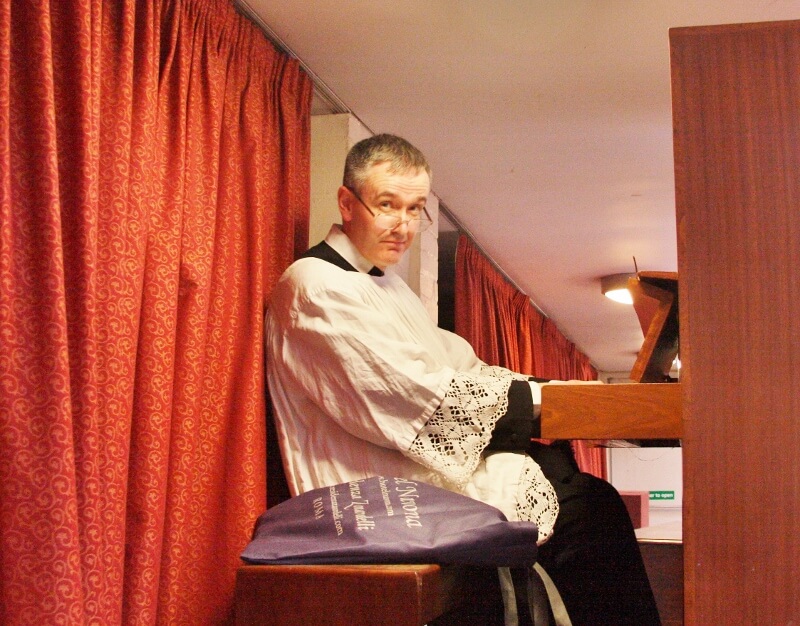
Fr Lawrence's account can be seen at Visit to the Canons Regular of the New Jerusalem


Friday, 3 June 2016

The Duchess of Rutland


The Daily Telegraph today has a report of a talk given by the splendidly forthright Duchess of Rutland at Hay on Wye.
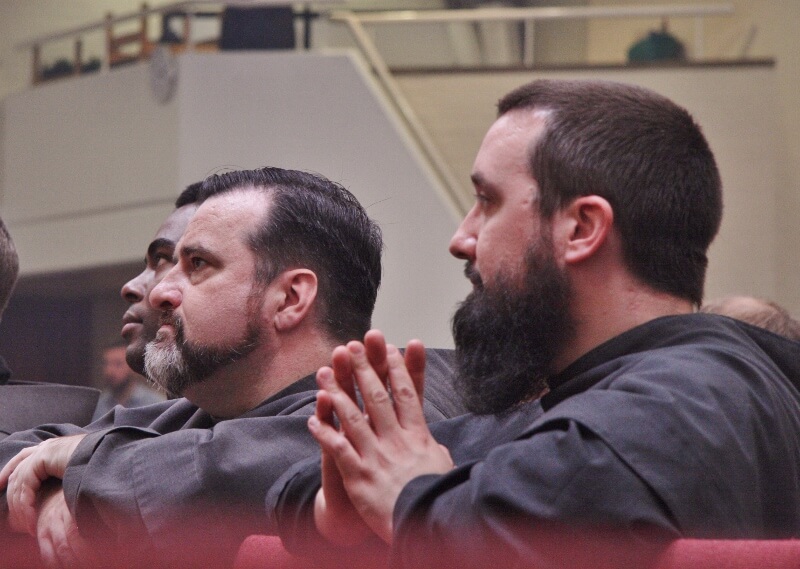
The Duchess of Rutland has said that it is right that inheritance passes through the male line and is ‘delighted’ that her daughter will not inherit the dukedom because it involves so much hard work. Read the full story
Image result for Belvoir castle 

Bevoir Castle, seat of the Duke of Rutland

Image: castleuk.net 

" You can't have Jesus on toast "


Earlier this afternoon I called in at Blackfriars and found myself in conversation over a mug of tea with some of the students there. Starting from discussing Dom Alcuin Reid's lecture last night the conversation turned - it being that sort of a person and that sort of theme - to liturgical horror stories.

One was of a Catholic church where on Easter Day flanking the priest giving communion hosts there were two lay ministers - one with the chalice and one giving out with equal solemnity chocolate mini eggs. When my informant queried this the parish priest calmly argued this was the most convenient point at which to give out the eggs...

Anothe person present had a story of a Greek-born teacher explaining the necessity of the Eucharistic fast to boarding school pupils who were thereby denied breakfast by saying "You cant't have Jesus on toast."

Which may well be true, and indeed dignum et justum est, but is also a very memorable, if quirky, way of communicating the idea. A phrase to haunt the mind I think.


Thursday, 2 June 2016

Dom Alcuin Reid in Oxford


Earlier this evening I went to a public talk given at the Catholic Chaplaincy by Dom Alcuin Reid on the subject of The Roman Rite: Where are we? Where are we going?

This being held in the Chaplaincy was in itself something of note - it is something that would not have happened a decade or so ago. The event was well attended, with, it must be said most of the usual suspects there, plus others whom I had not realised were so keenly interested in such matters.

In his talk Dom Alcuin gave an overview of what has happened in the last half century, illustrating it with a description of the differences in liturgical modus operandi then as well as now in Oxford, and then turning to a wider overview of trends, or indeed the lack thereof, across the Church. This was a talk to hear rather than note and so I cannot give readers an adequate summary of his impressive conspexus

It was, as I said to him, good to see Dom Alcuin back in Oxford - I was quite flattered that he remembered me from previous visits - and I hope we shall have the opportunity to hear him here  again in the future.


Wednesday, 1 June 2016

Earliest Roman letters from London


The BBC News website has a report about the discovery in London of what are the earliest known handwritten letters from this country. They are on wooden tablets and are datable to 57AD and indicate the already established commercial life and social activities of Londinium. The report can be seen at: UK's oldest hand-written document 'at Roman London dig'