Once I was a clever boy learning the arts of Oxford... is a quotation from the verses written by Bishop Richard Fleming (c.1385-1431) for his tomb in Lincoln Cathedral. Fleming, the founder of Lincoln College in Oxford, is the subject of my research for a D. Phil., and, like me, a son of the West Riding. I have remarked in the past that I have a deeply meaningful on-going relationship with a dead fifteenth century bishop... it was Fleming who, in effect, enabled me to come to Oxford and to learn its arts, and for that I am immensely grateful.


Showing posts with label York Oratory. Show all posts

Thursday, 3 July 2025

St Leonard’s Hospital in York


There have been two reports online recently about the discovery of foundations of part of the buildings of the medieval Saint Leonard‘s Hospital in York. 

This late Anglo-Saxon foundation survived until the dissolution of the monasteries and related institutions in the sixteenth century. Unlike the great mediaeval hospitals of London this York foundation was suppressed and largely destroyed. Although parts of the site have been investigated since the early nineteenth century the only remains above ground out of part of the gate house and the adjoining chapel, dated to about 1240, adjacent to the City Library. The remainder lies under.Duncombe Place, the Theatre Royal and adjoinhg buildings, and adjacent to the York Oratory.

The VCH for York has an article describing the various religious precinct of the mediaeval city, including that of St Leonard’s, together with a map. This can be accessed here

There is more about the history and buildings of the hospital from the York Archives at History in the remains: A look at St. Leonard’s hospital

By 1300 the Hospital had up to 225 inmates, ministered to by thirteen chaplains and eight sisters. However in 1350 the buildings were said to be in great disrepair. 

I recall reading in the VCH volume on the City of York - which I cannot find online - that a few days before the battle of Towton in 1461 King Henry VI and Queen Margaret together with the Dukes of Somerset and Exeter, and, I assume, others of the Lancastrian court, attended Vespers in the chapel of St Leonard’s.

In 1515 the chapel and other buildings were described as dilapidated. The foundation was surrendered to the Crown in 1540, and after sale and repurchase a branch of the Royal Mint was established on part of the site in 1546.

In January 1556 the City Council petitioned Cardinal Pole for the re-establishment of the Hospital, but without success before the end of the Marian Restoration.


Saturday, 12 October 2024

St Wilfrid


Today is the Feast of St Wilfrid, the great Northumbrian born seventh and early eighth century Bishop of York, and then of Hexham, founder of what became the see of Chichester, tireless missionary and a determined and combative fighter for the rights of the Church and its adhesion to the Roman obedience.

I have posted about him in 2010 in St Wilfrid, in 2011 in Celebrating St Wilfrid, in 2013 in More on St Wilfrid, and in 2022 in St Wilfrid. These cover more of his life and achievements, and have links to relevant sites.

I have also written about his place in the formation of Fr Faber in my 2011 article St Wilfrid and Fr Faber. Continuing the Oratorian theme in 2013 I wrote about the foundation at the church of St Wilfrid in York of a new Oratory in the city in St Wilfrid's York

Saint Wilfrid, our Patron and our Guide - St Wilfrids Catholic ...

A modern depiction of St Wilfrid

Image: St. Wilfrid’s Catholic High School

A while back I happened upon an online piece which interviewed the author of an English Historical Review article about the way in which those who claimed the St Wilfrid on his deathbed in 709/10 at Oundle had nominated them to succeed him in the abbacy at Ripon or to the see of Hexham, and happened to be the only witnesses to what the saint had said…. The article can be read at Historian turns detective to uncover ancient Ripon conspiracy

Whilst looking for illustrations I found a very well illustrated account of Hexham Abbey ( strictly speaking Priory) on the website of Great English Churches. This has, in addition to splendid views of the interior of the later medieval church and of the stone episcopal seat from the Anglo-Saxon era, a good selection of pictures of the significant quantity of painted decorative woodwork from the fifteenth century in the building. It may not be the greatest art but it does indicate what medieval church interiors were like. The article can be seen at Hexham Abbey

Hexham Abbey is very well worth seeing, as is the very attractive town centre as part of an exploration of Hadrian’s Wall, looking for the Wars of the Roses battlefield or at the Jacobite associations of Dilston Castle, or simply enjoying the glorious Northumberland countryside.


St Wilfrid Pray for us


Wednesday, 12 July 2017

Fr Richard Duffield's Silver Jubilee


Yesterday was the Silver Jubilee of the Ordination to the Priesthood of Fr Richard Duffield Cong.Orat., who now presides over the York Oratory-in-formation.

I have copied this post from the Oratory website

IMG_2260

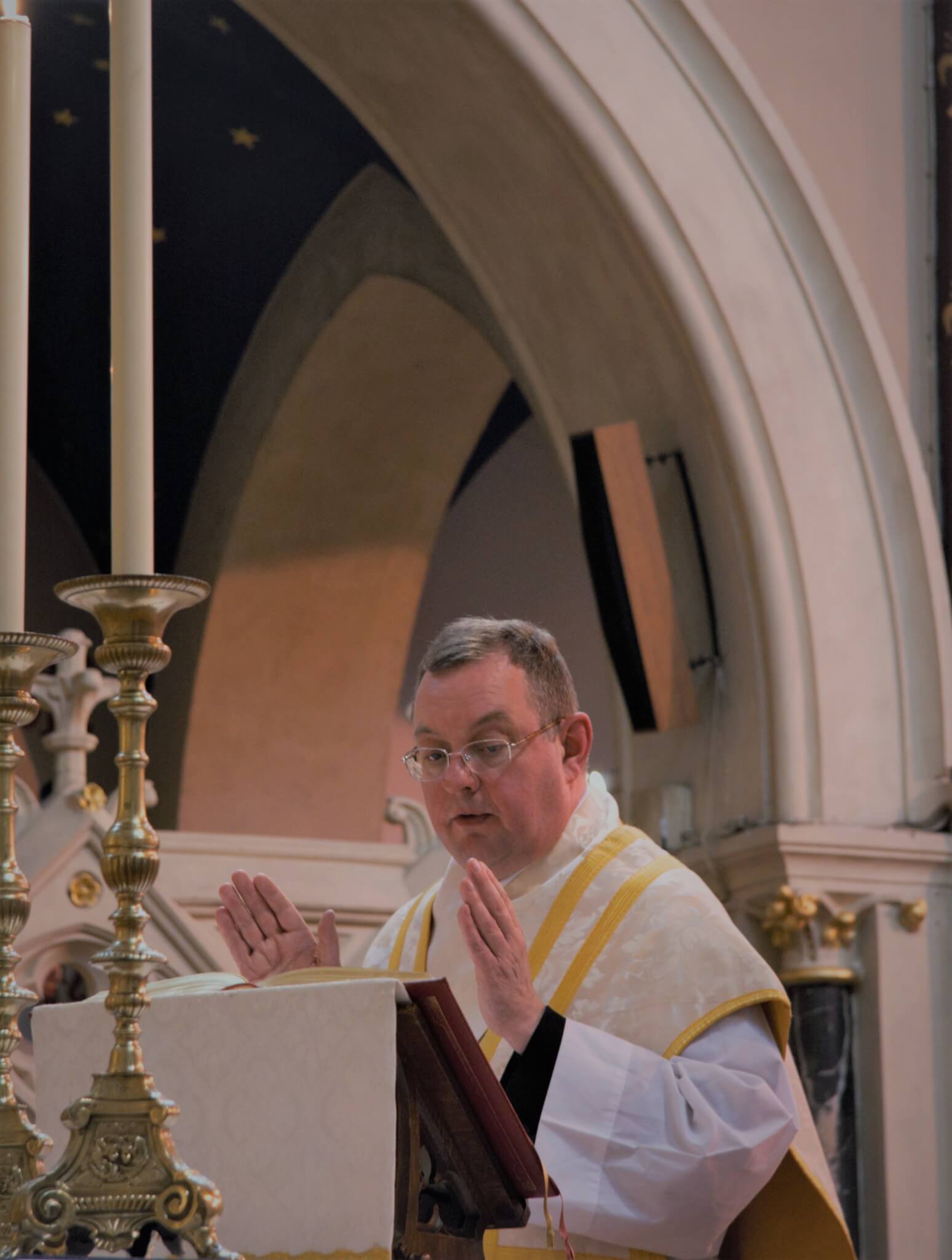
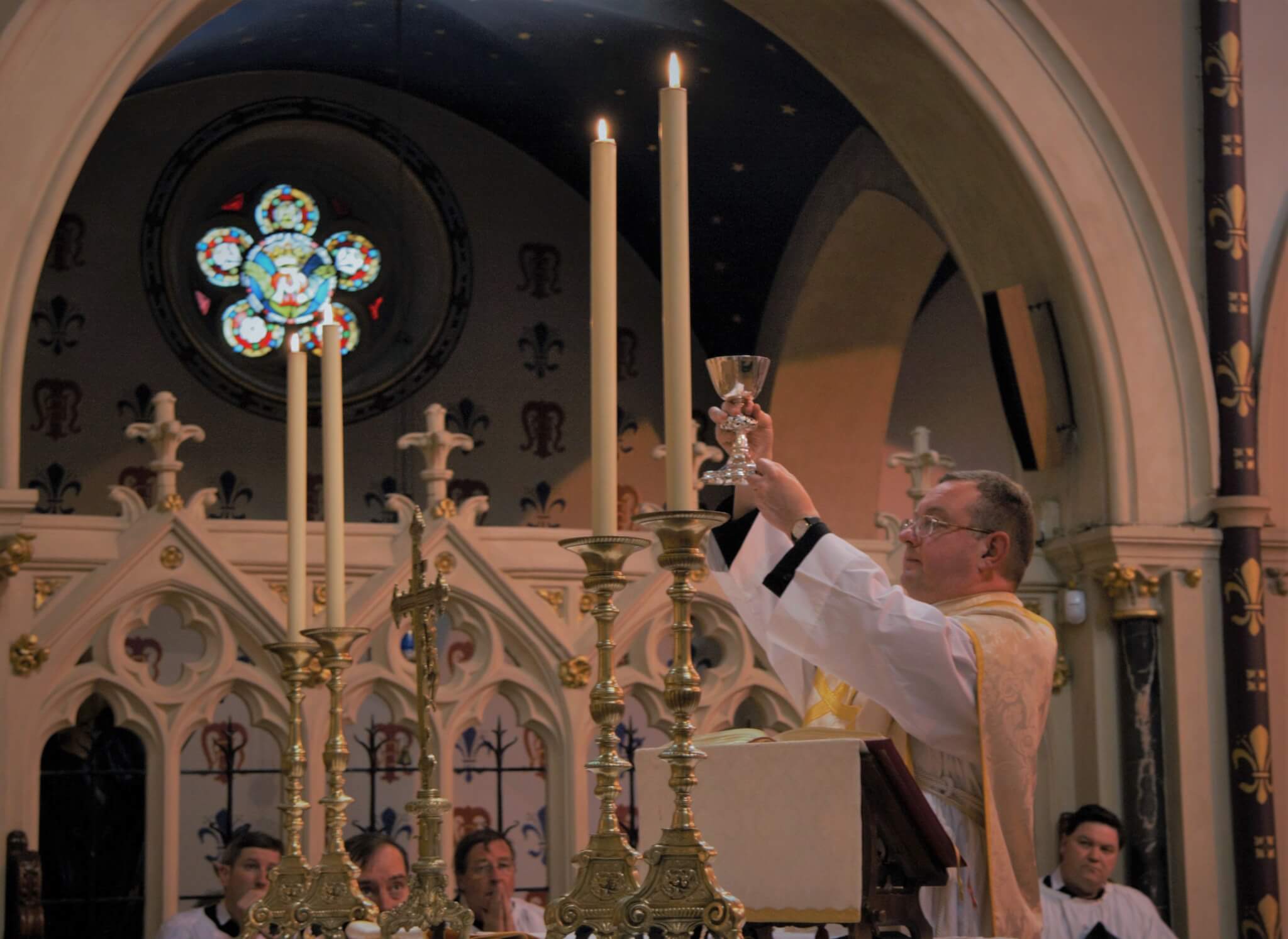
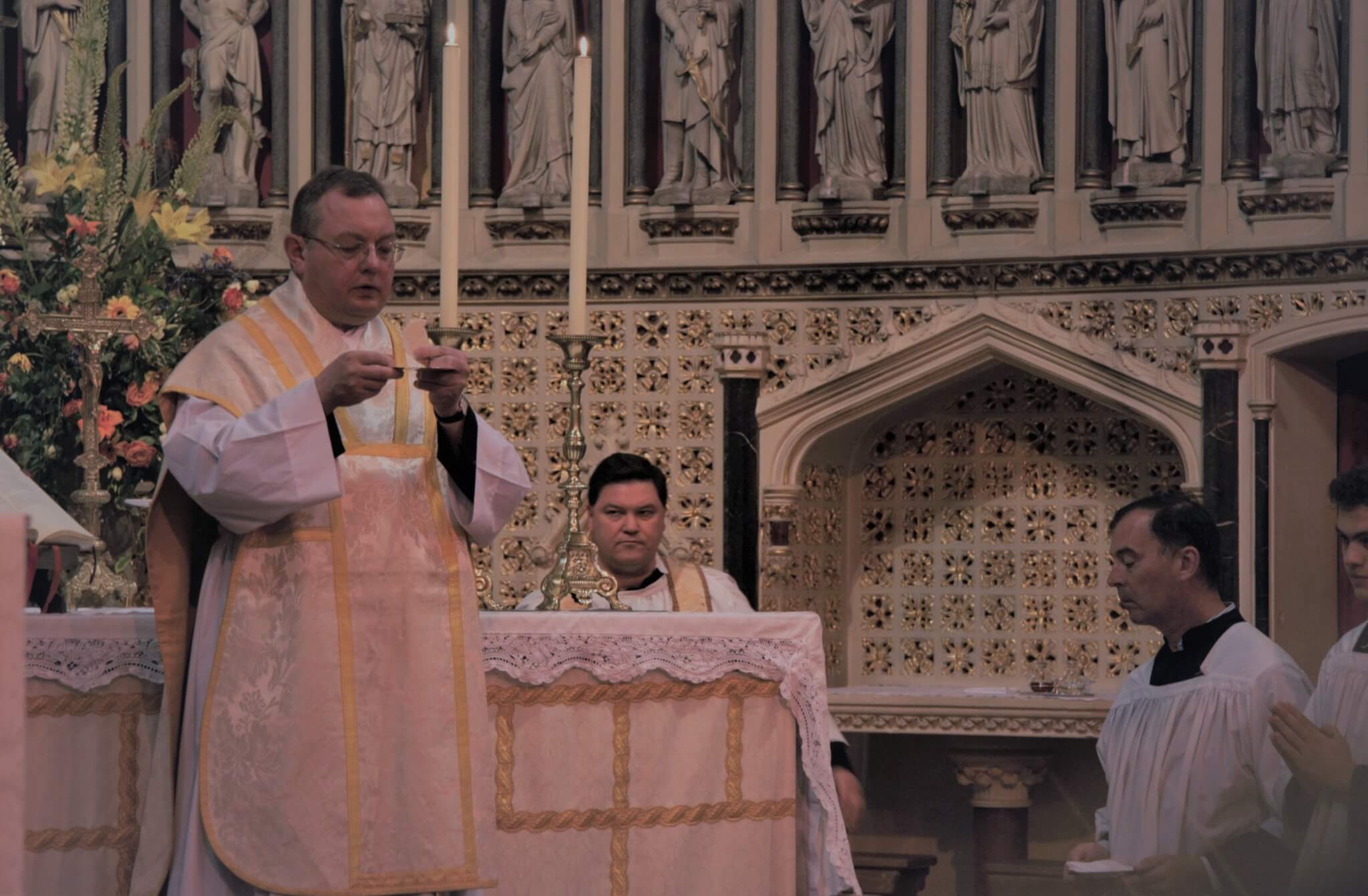
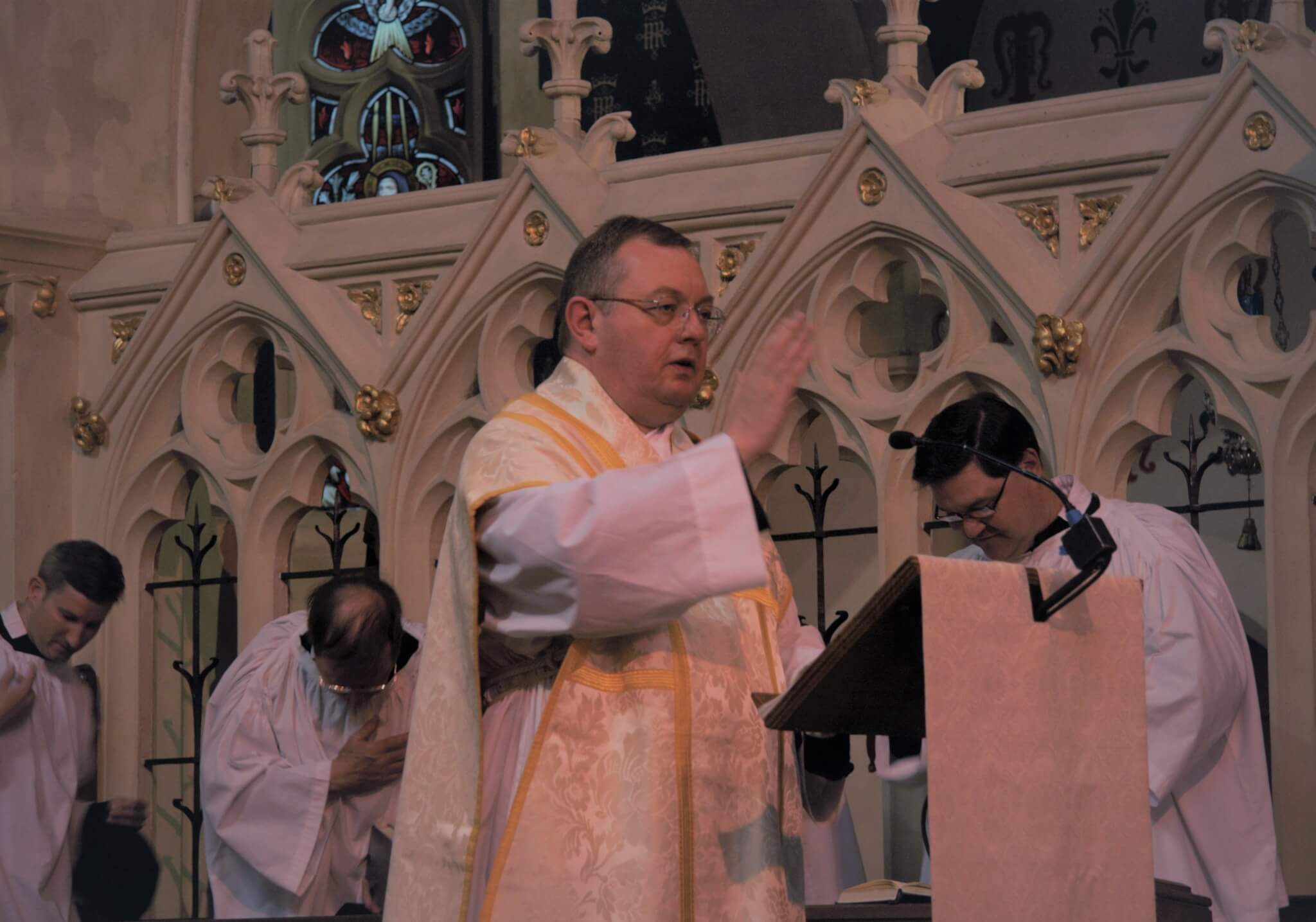
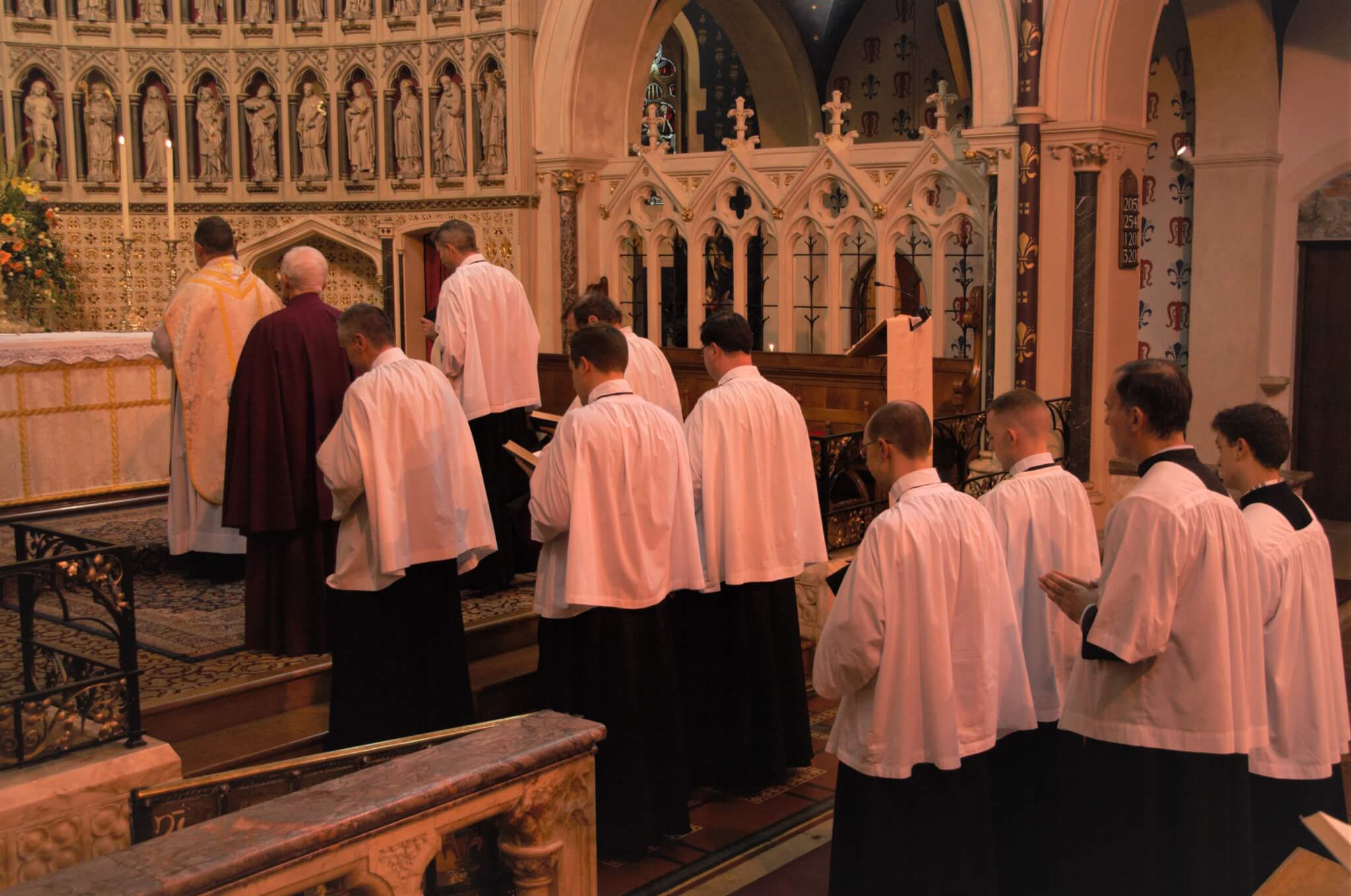
11th July, the feast of St Benedict, was the Silver Jubilee of Fr Richard Duffield's priesthood. Fr Richard was ordained in our church twenty-five years ago by Bishop Terence Brain.
Fr Richard celebrated the six o'clock Mass on the day of his anniversary.


IMG_2263

IMG_2267

IMG_2268

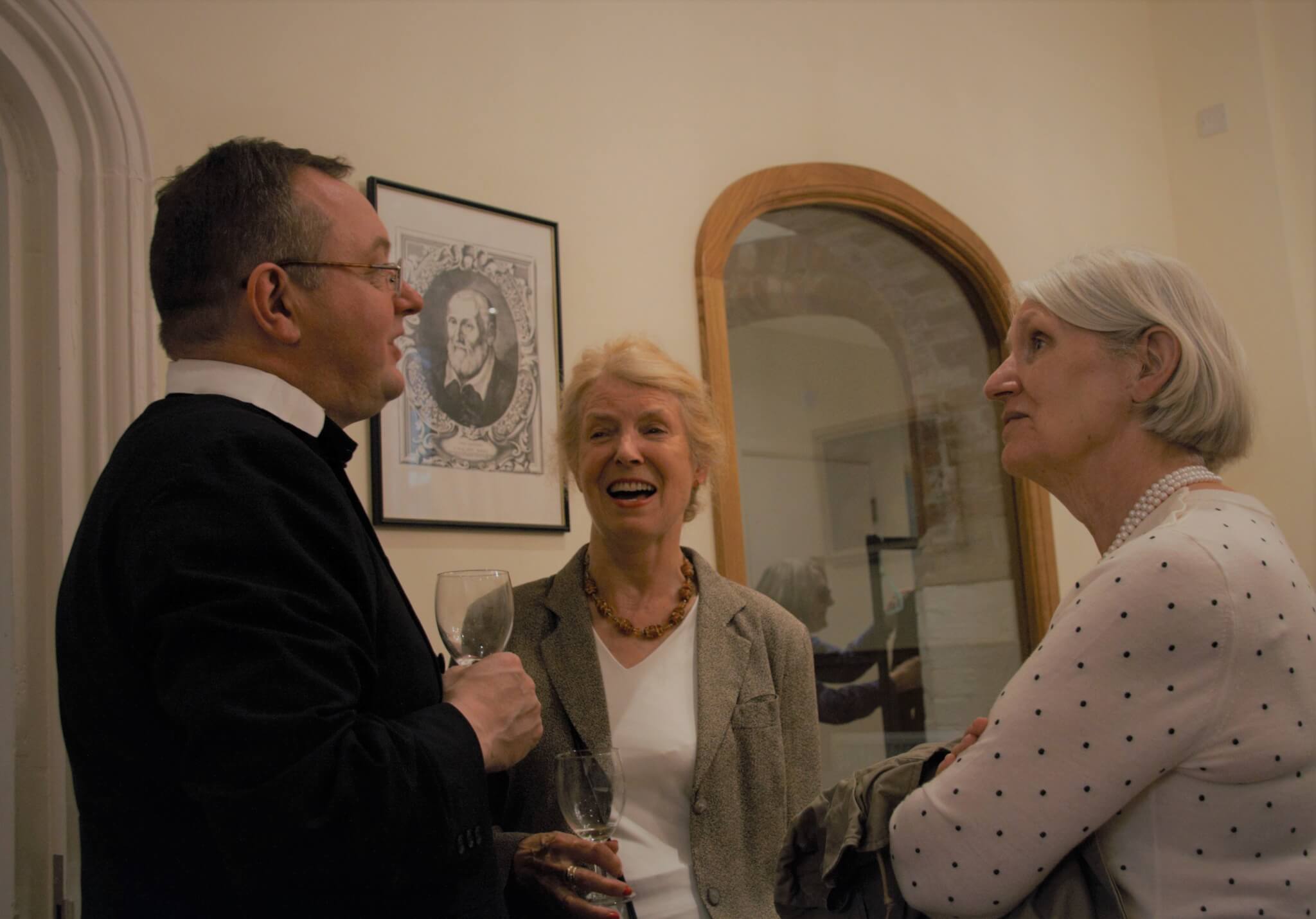
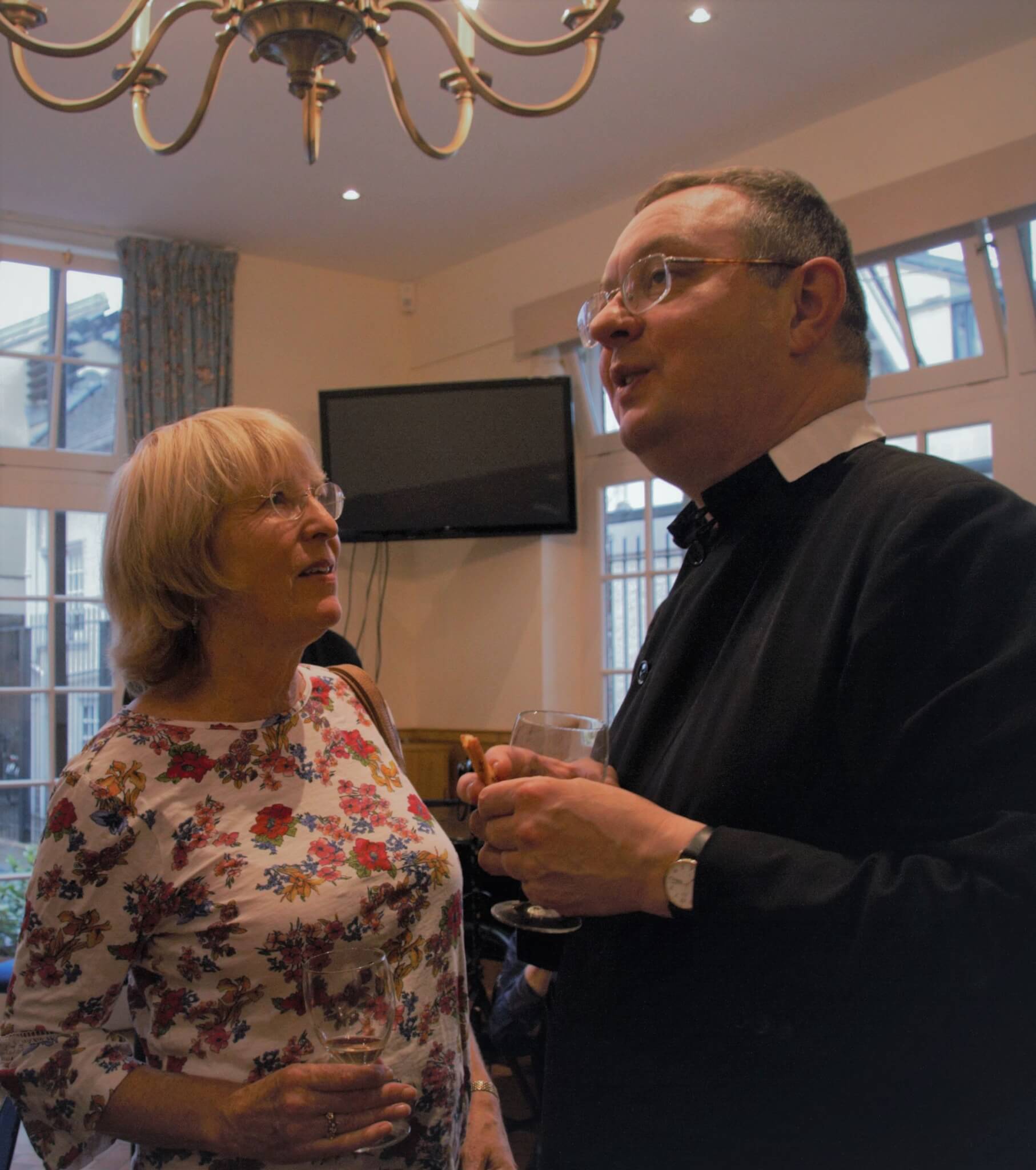
After Mass, there was a celebration in the Parish Centre, when many of our parishioners congratulated Fr Richard:

IMG_2302

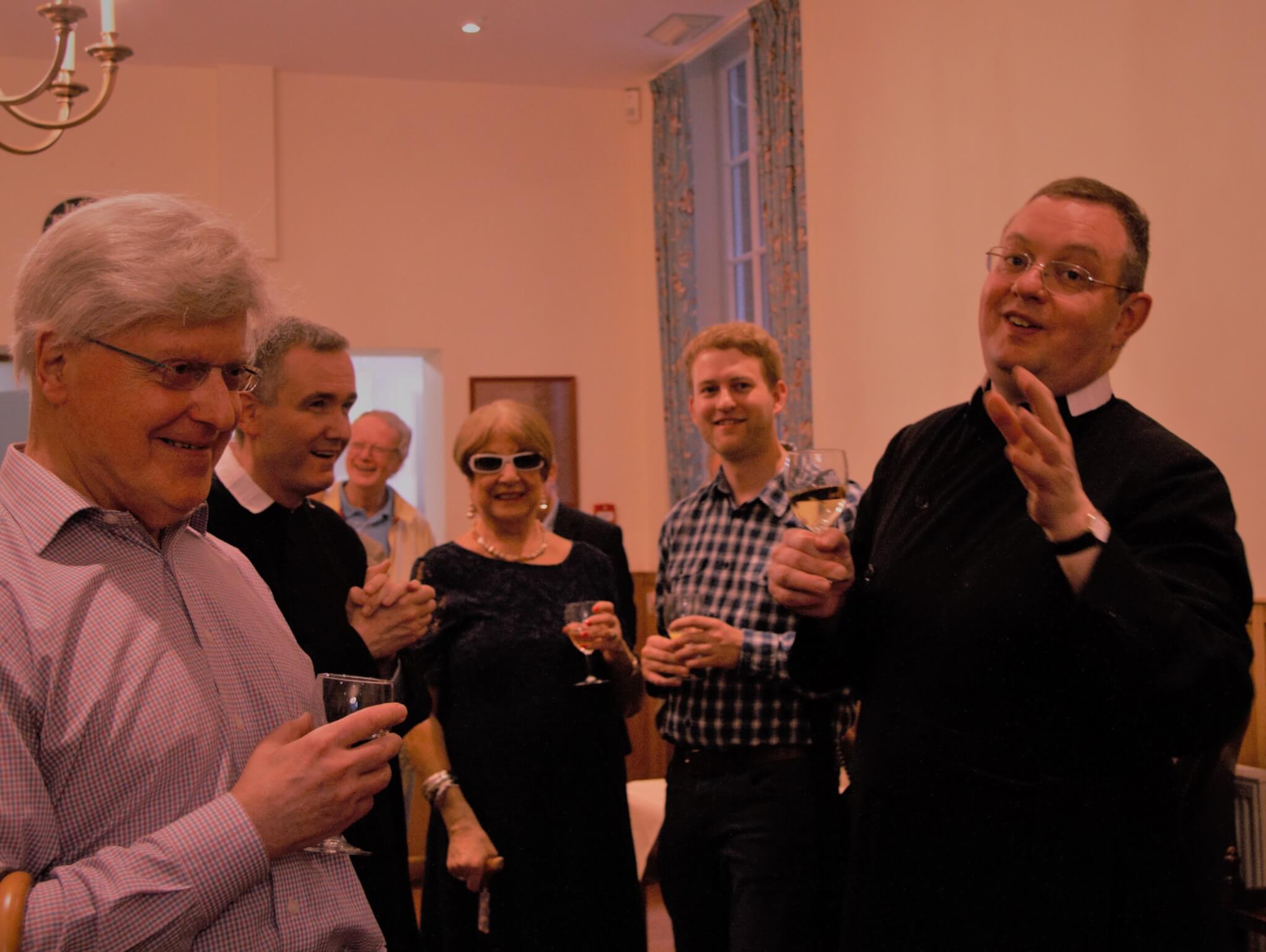
Fr Richard made a speech:

IMG_2288

IMG_2291

IMG_2294

Images and text: Oxford Oratory

Fr Richard is a York man, and some years ago I realised that he was once the toddler I recalled in his father's wonderful bookshop in the city when as ateenager I went in on book-buying trips with my mother on our regular visits to York. Small world.